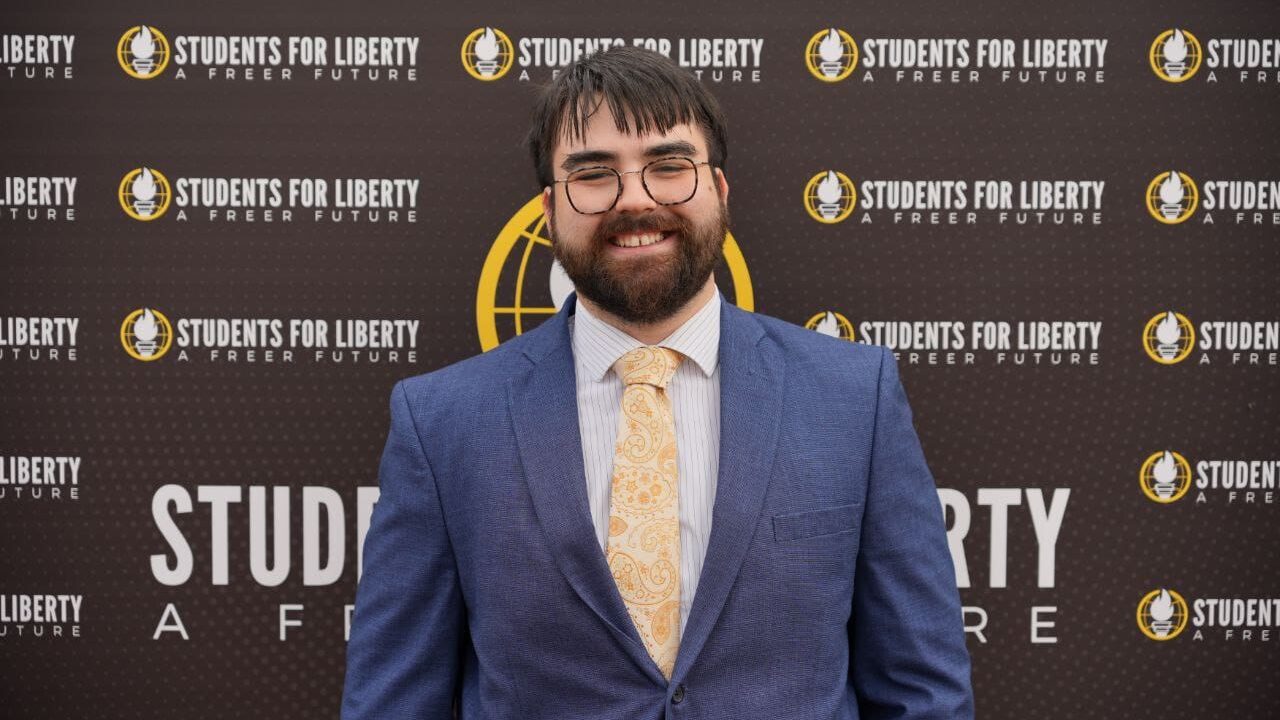
One year ago, Students For Liberty didn’t exist in Malta. Today, they are a finalist for organisation of the year in a national contest, with the highest number of jury votes of any nominee in the running. SFL Malta’s story is that of a small, determined team and what they can build in a country where the ideas of classical liberalism were absent from public life.
Last year, European Students For Liberty established new groups in 12 new countries, creating chapters from scratch. When David Briguglio Brown and his friends launched a team in Malta, they had no institutional track record, no alumni network to lean on, no established following. On an island of this size, everything you do is visible, which is both a blessing and a curse. Every initiative gets scrutinised without the cover of a large movement behind you, but SFL Malta decided to be bold and to act regardless.
Rather than wait for the right conversations to come to them, they built the spaces where those conversations would happen. Their project “Politics Made Simple” turned complex policy debates into easily understandable explainers. An audience can request the topics they want to be broken down.
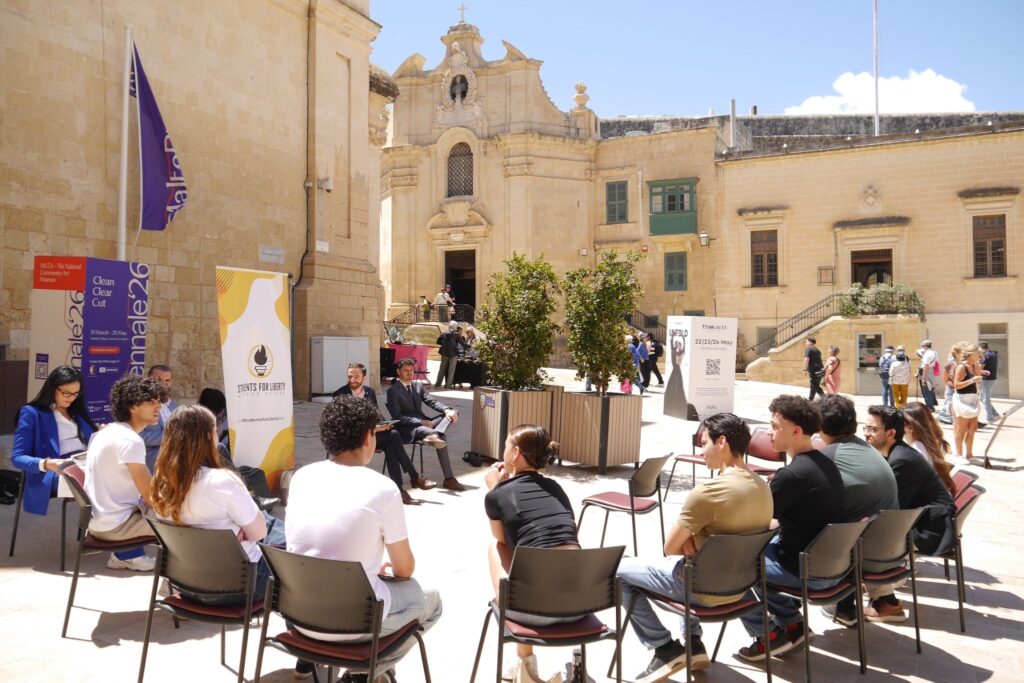
And they took the same approach offline. During the national election, the team ran “In the Spotlight”, an electoral fishbowl debate that put candidates in the room with students and questions on the table. With this, SFL Malta established itself as a young organisation serious about civic activism.
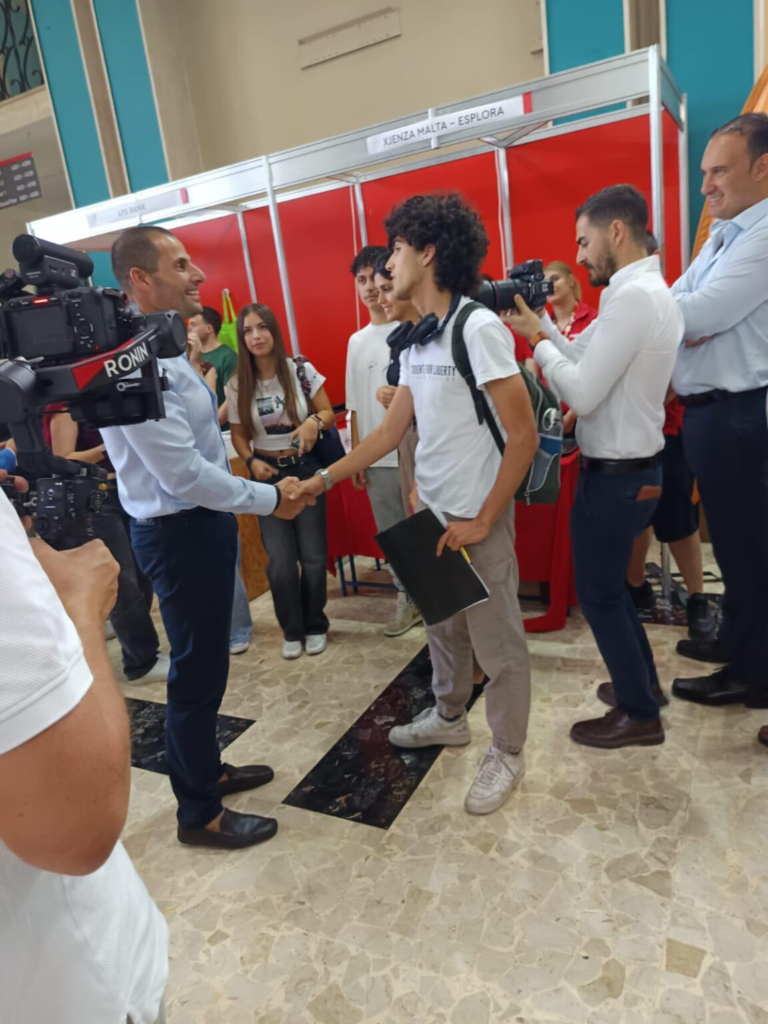
Beyond just explaining politics, SFL Malta also started stepping into it. The team helped carry the Europe-wide Chat Control fight onto the islands, taking a dense EU surveillance proposal and communicating the urgency to act against it to a domestic audience with little prior exposure to digital rights. Their petition against Chat Control gathered over 1,500 signatures and the campaign opened doors to the meetings with MEPs and the Prime Minister.
Additionally, when the Maltese Government floated a blanket social media ban for minors, SFL Malta acted fast again, submitting a formal, evidence-based consultation to the National Youth Council and the Government, offering policymakers an alternative rooted in the EU’s existing DSA framework. When the Government began weighing whether to join the so-called “Board of Peace”, the team’s principled opposition was picked up by Times of Malta, ensuring the skeptical student perspective made it into a national outlet’s coverage of the debate.
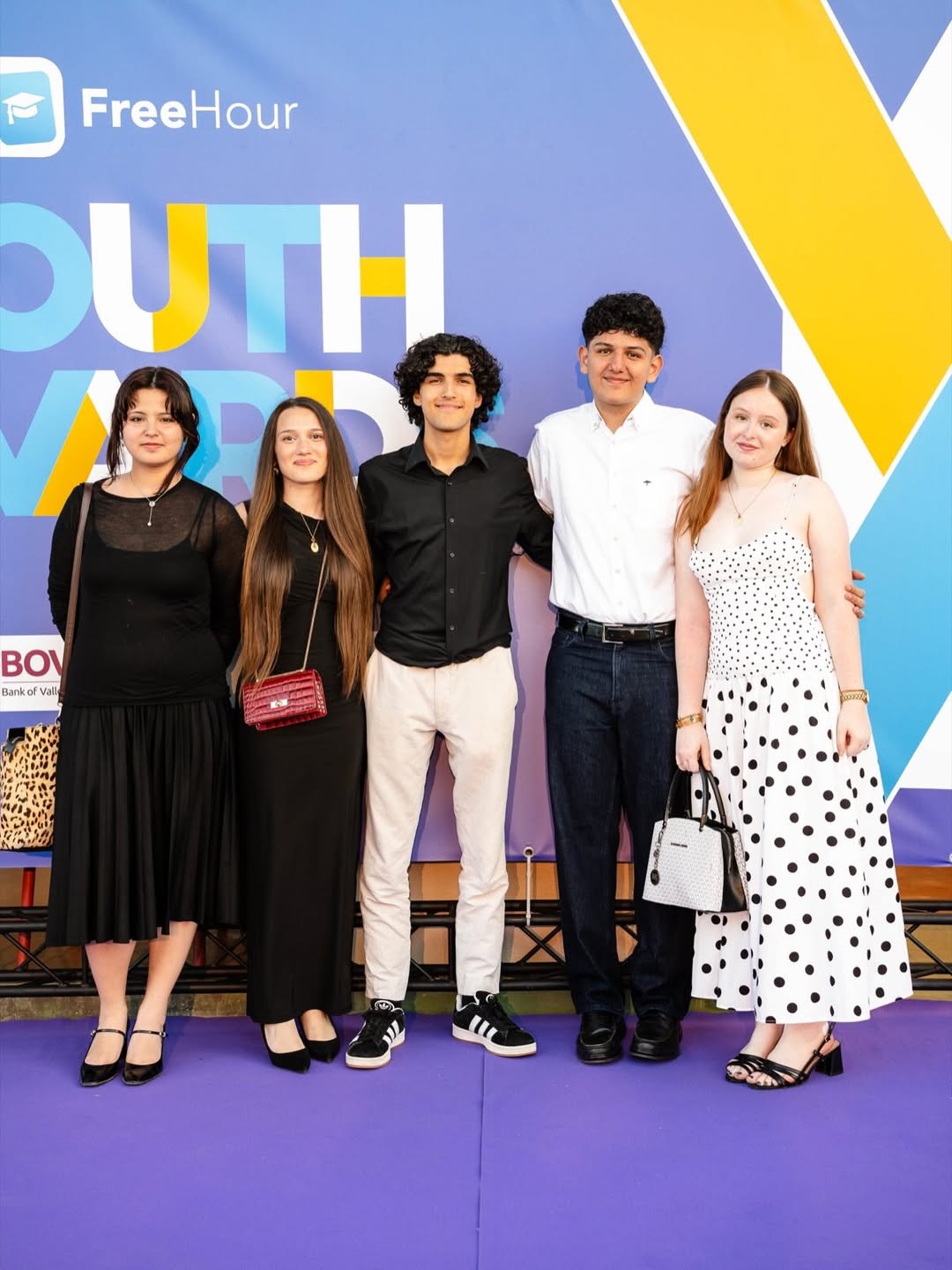
All of this happened in under a year and it did not go unnoticed. At the FreeHour Youth Awards, run by the largest social media youth platform in the country, SFL Malta was nominated for Student Organisation of the year, while its National Coordinator, David Briguglio Brown, picked up a personal nomination for Political Activist of the Year.
It’s a remarkable start, and it’s only a start. If this is what SFL Malta can do in under a year, we can’t wait to see what comes next from this small, beautiful island and its bold young voices.
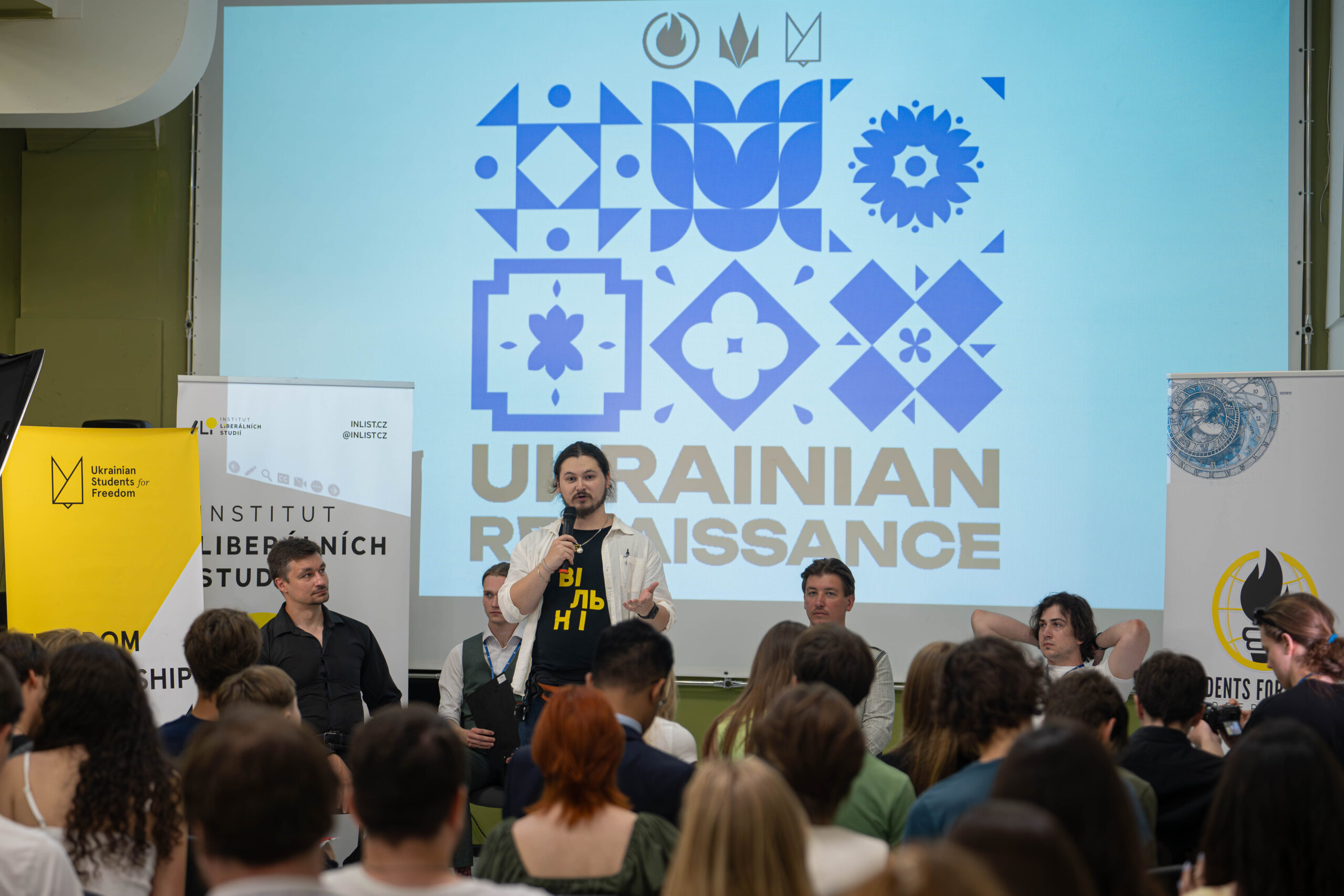
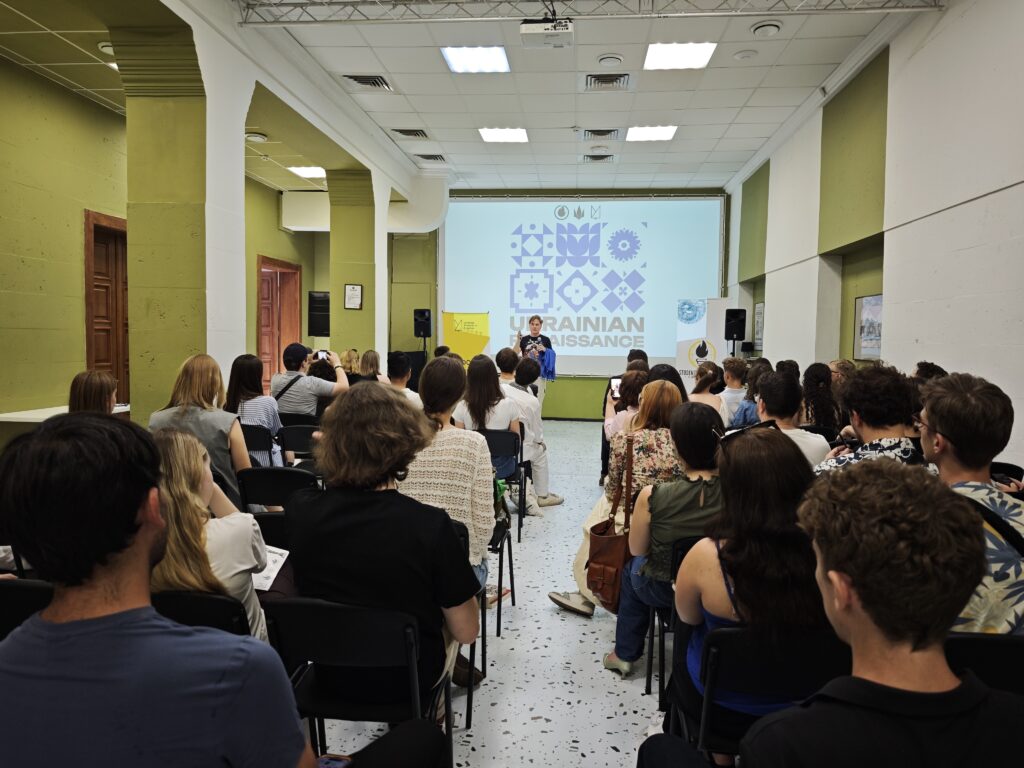
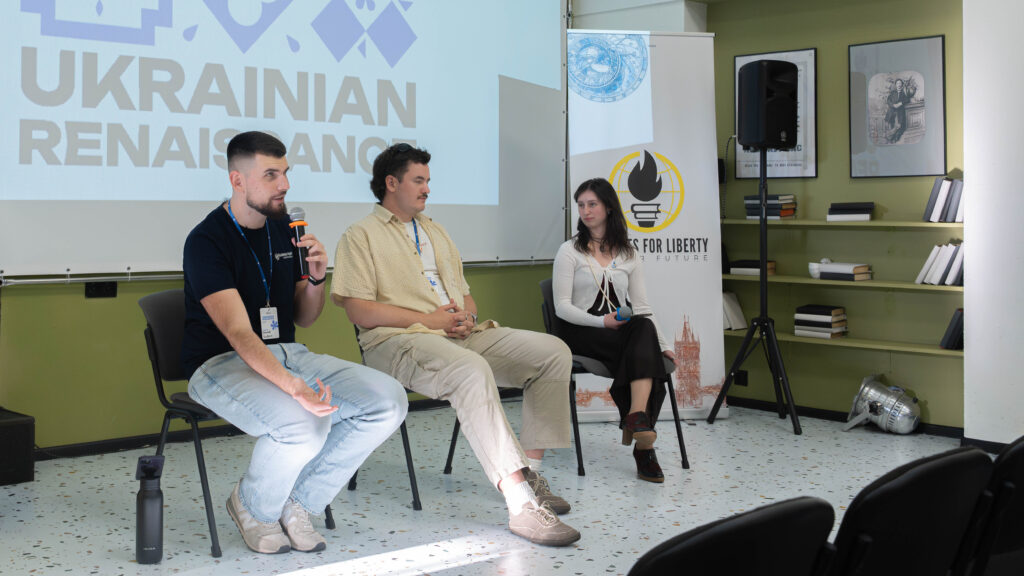
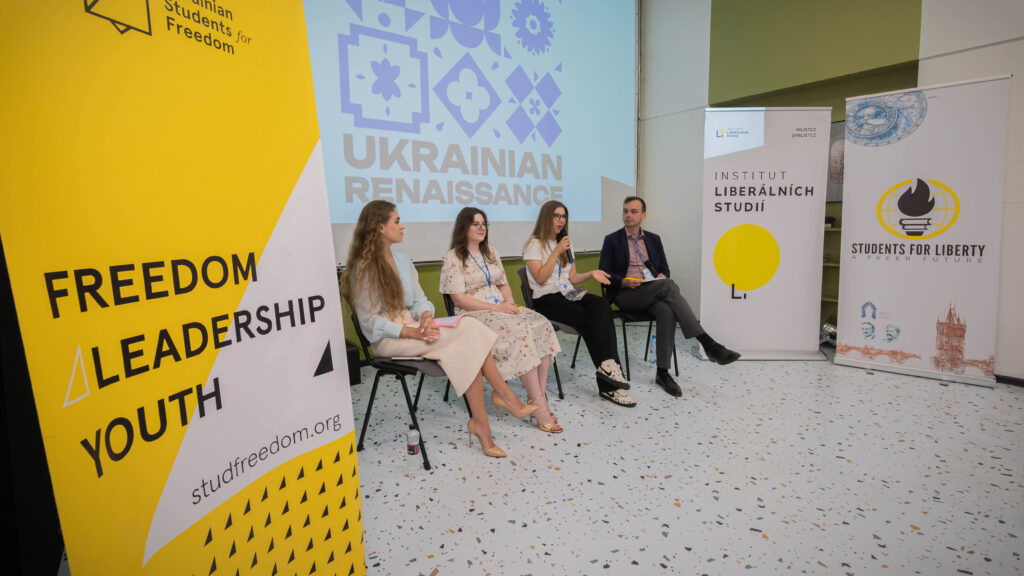
As has become tradition, the Ukrainian Renaissance conference returned again this July for its fourth annual edition. For the first time however, the event, co-hosted by Students For Liberty, Ukrainian Students for Freedom, and Institut liberálních studií, is taking place not once, but twice within one year, with the first iteration just wrapping in Kyiv, once again following a week of trainings for our student volunteers.
Renaissance Comes to Kyiv
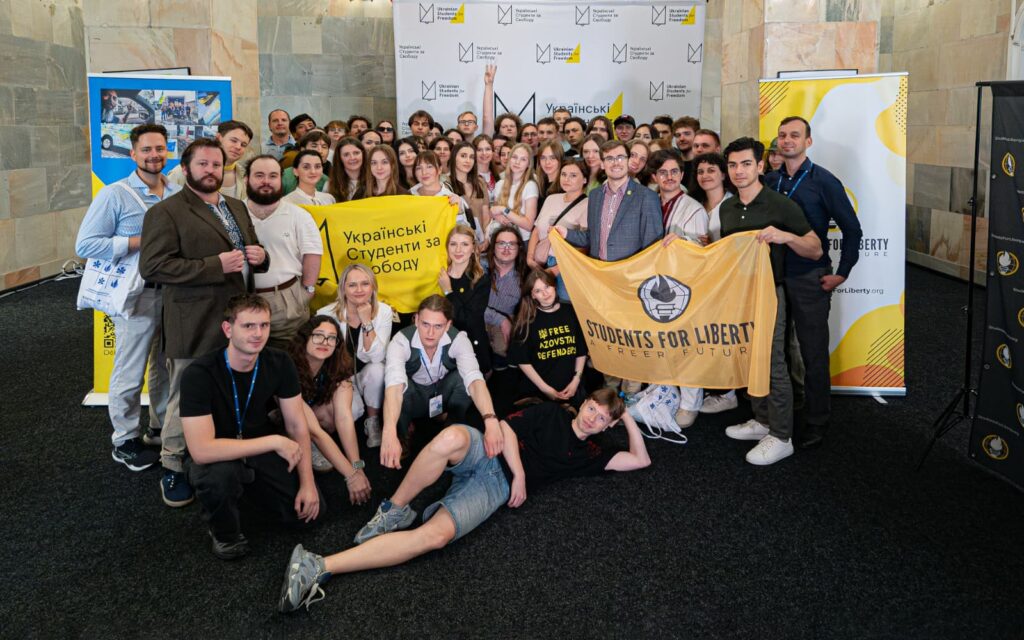
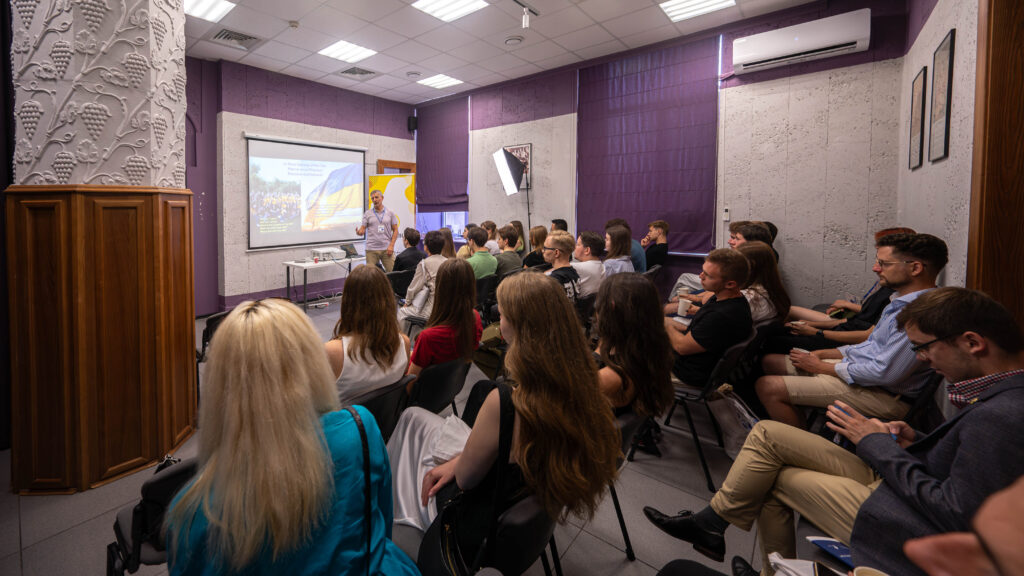
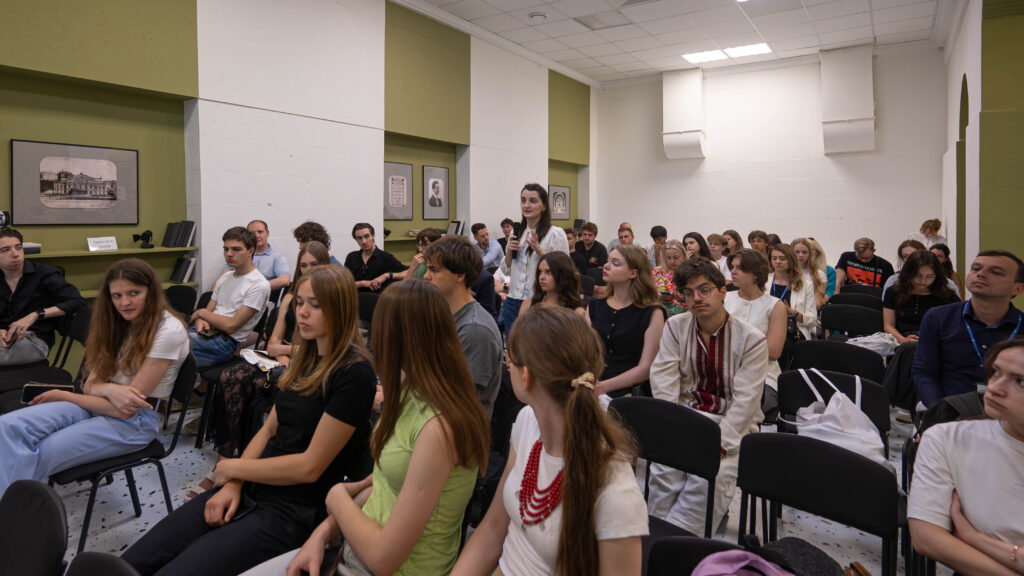
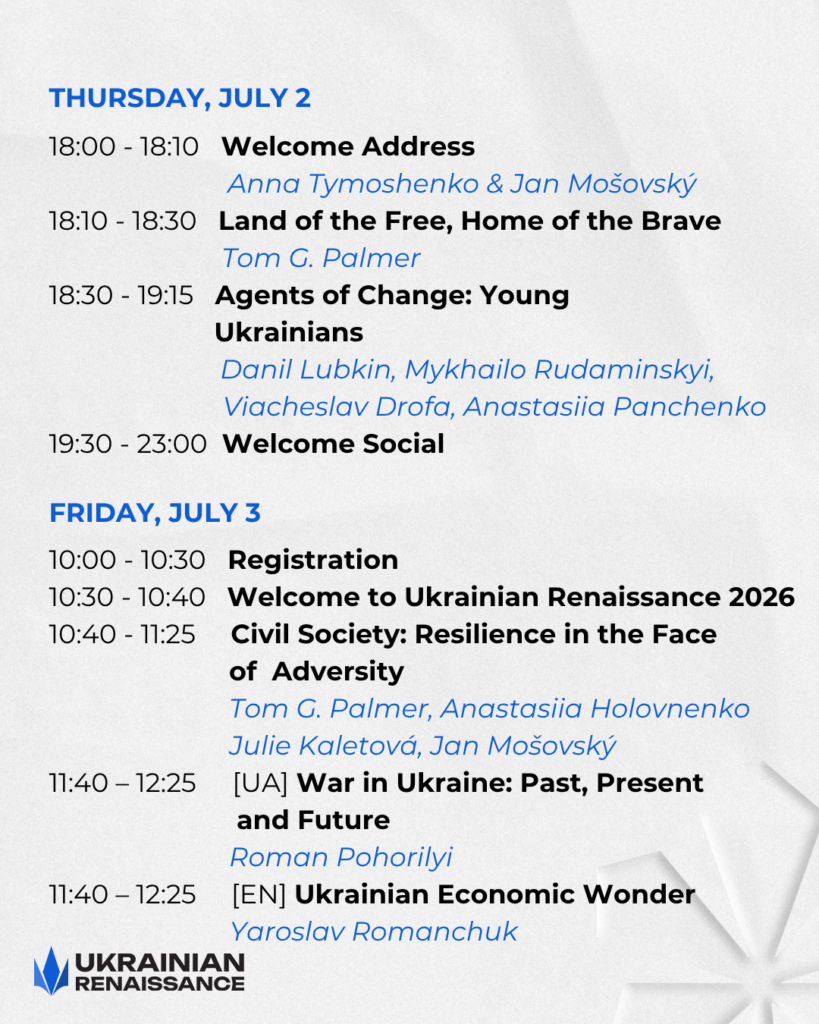
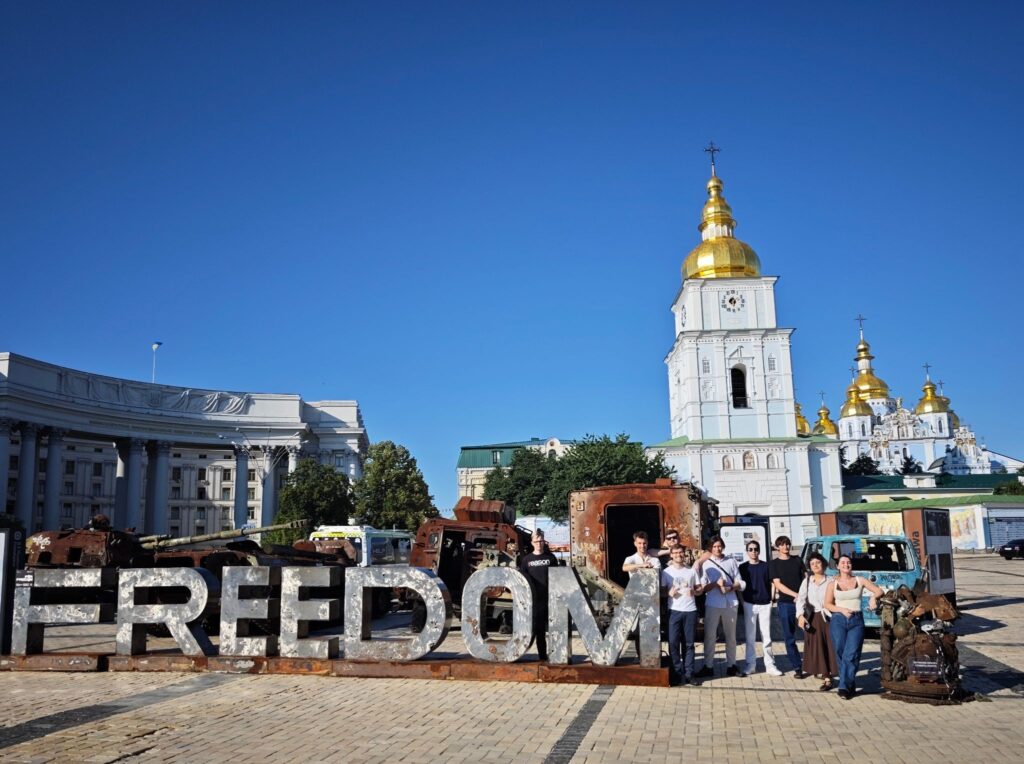
The first edition of the event taking place in the Ukrainian capital on July 2-4 brought together 154 attendees from 13 different countries.
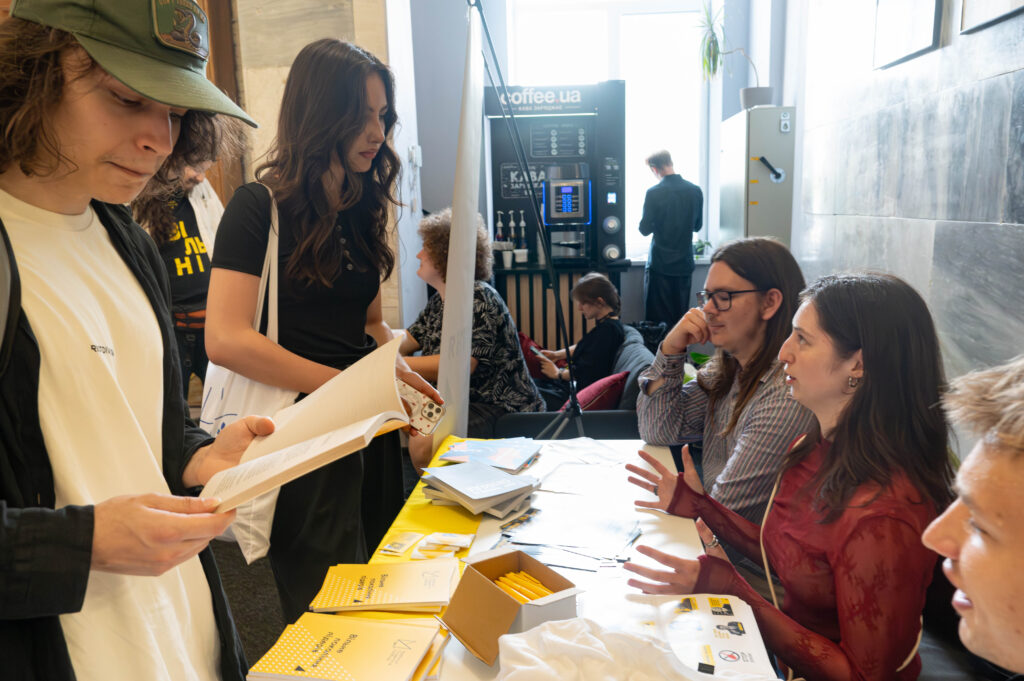
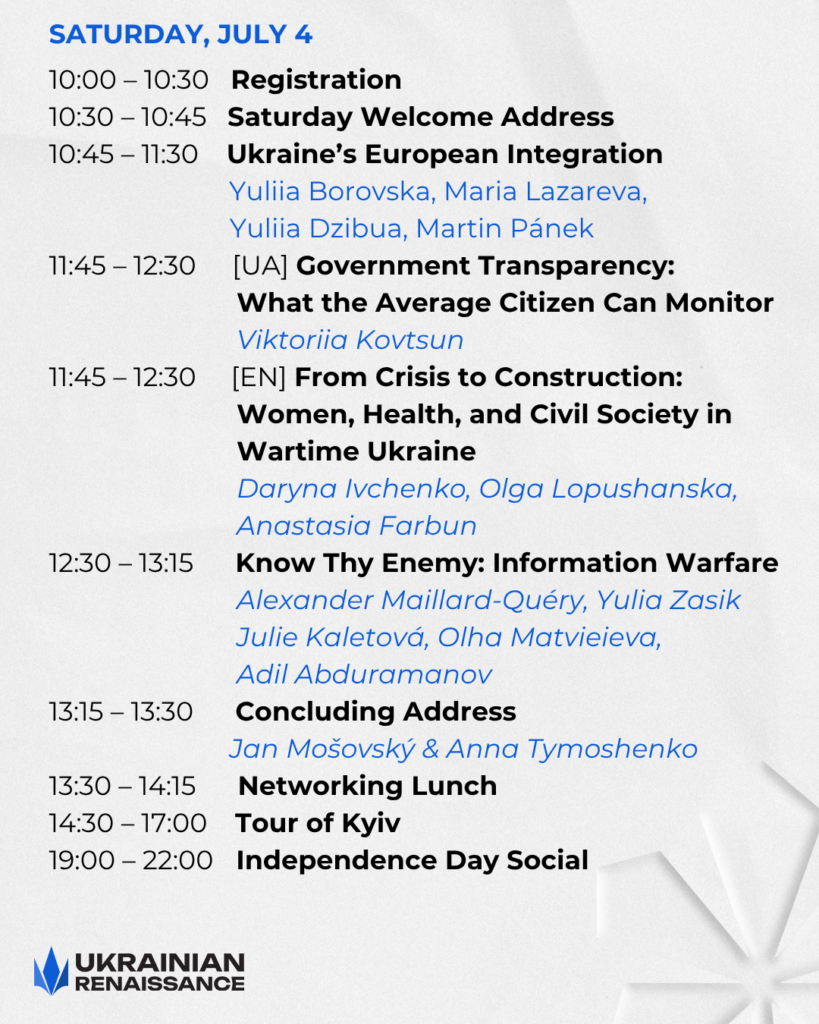
Over the three days, our visitors participated in 16 sessions, two practical workshops, and a range of networking opportunities, including the concluding Independence Day Social on July 4.
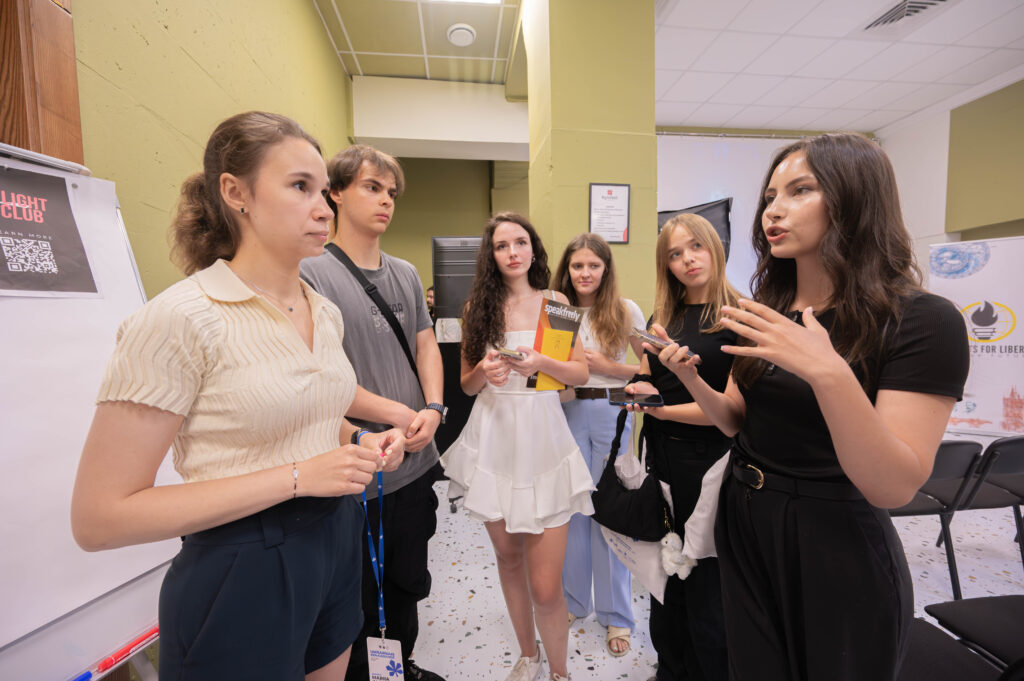
The event’s primary mission remains to connect local and international friends of liberty, and build bridges where wartime conditions have made connections more complicated. It was with the goal of bringing this network-building element of the event beyond western Ukraine that we brought this year’s Renaissance to Kyiv, and we are excited that same as in previous years, around one third of the attendees joined us from outside of Ukraine.
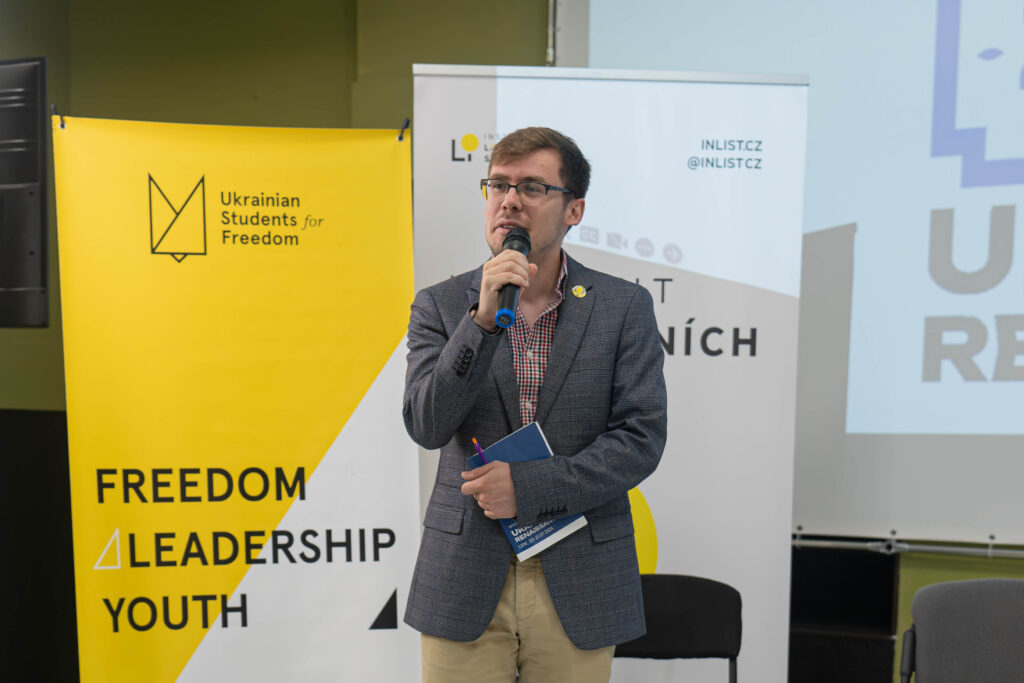
The event kicked off on Thursday, July 2, with an opening evening and welcome by the organisers, as well as a keynote session by Tom Palmer on the important symbolism of the meeting in Kyiv on the Independence Day weekend, and a panel conversation on the ability of young people to make a difference with a panel of Ukrainian Forbes 30 under 30 – including our alumnus Danil Lubkin, followed by an opening night social event.
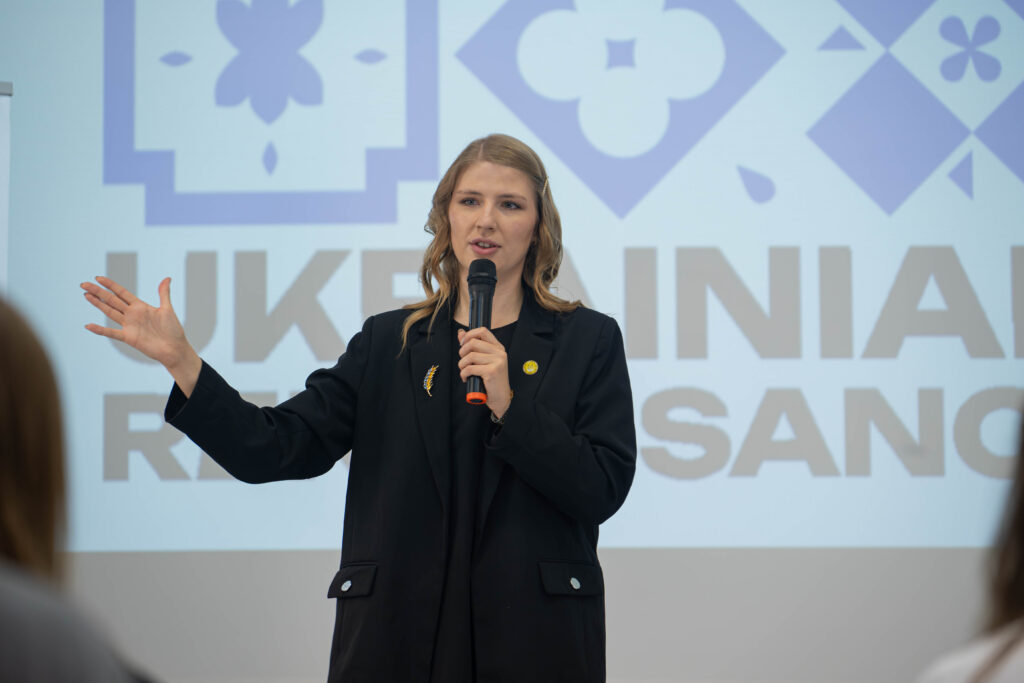
On Friday, we started the day by an international panel on the importance of the civil society, and how times of hardship lead people to mobilise, form organisations, and take action in many private, decentralised ways – and why that’s why authoritarians target the civil society first.
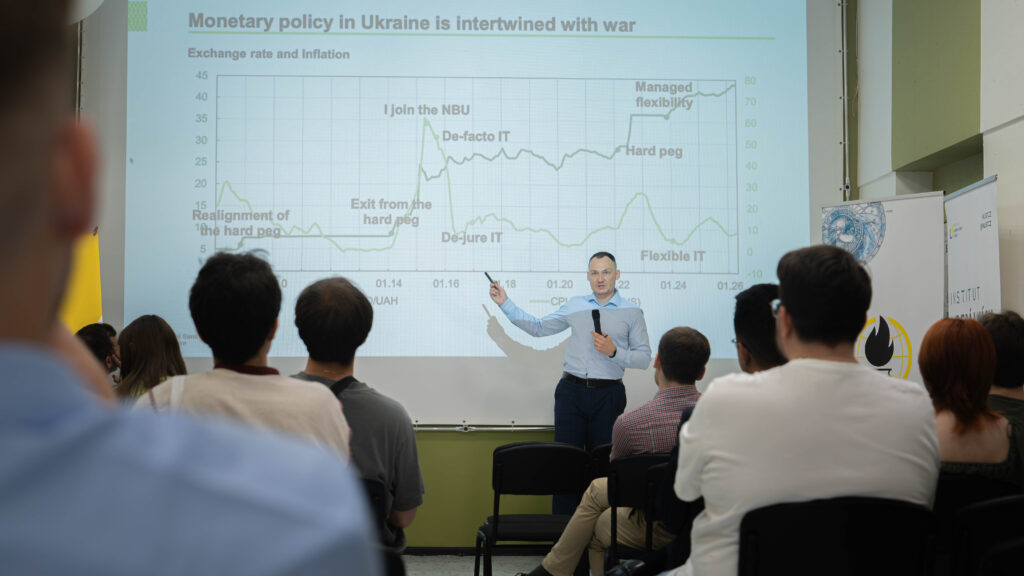
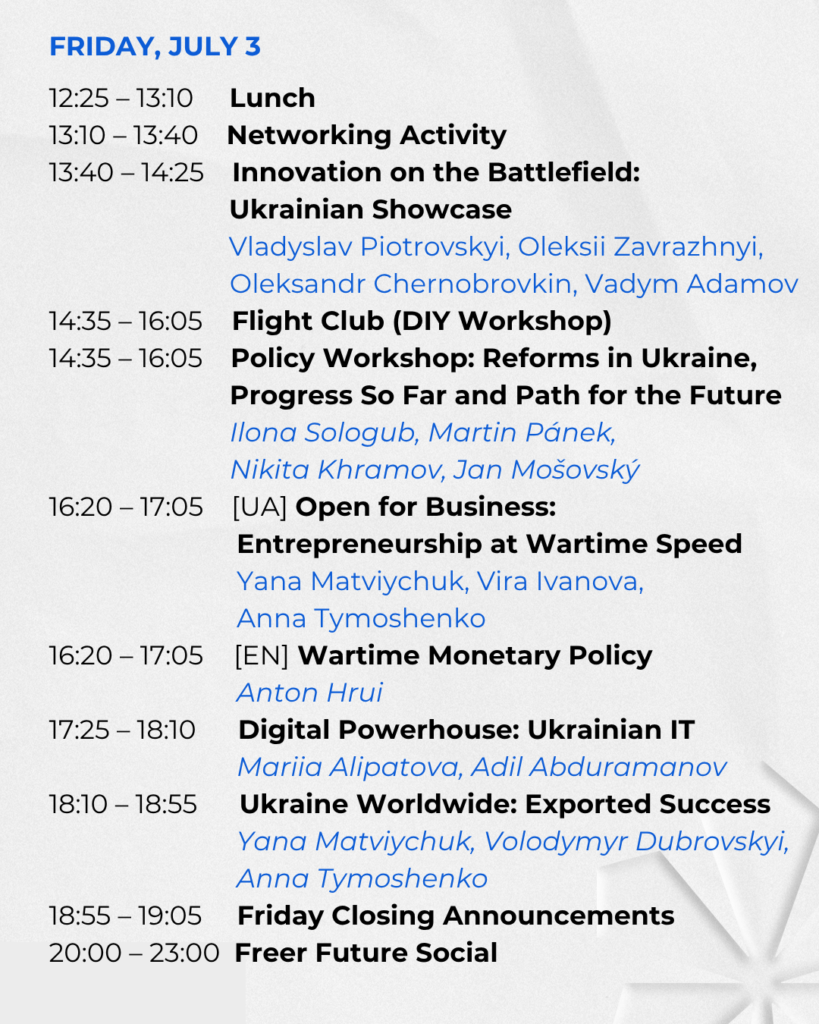
For most of the day, we covered economic issues and entrepreneurship, and the innovation that keeps happening despite the war, with sessions going on in two rooms, both in English and in Ukrainian. Among the speakers were successful entrepreneurs, economists, central bankers, and policymakers.
A highlight of the Friday programming were two parallel practical workshops. In a policy workshop run by Institut liberálních studií, Bendukidze Center, and Vox Ukraine, attendees worked in groups to come up with reforms to improve life in Ukraine and the country’s economic prospects.
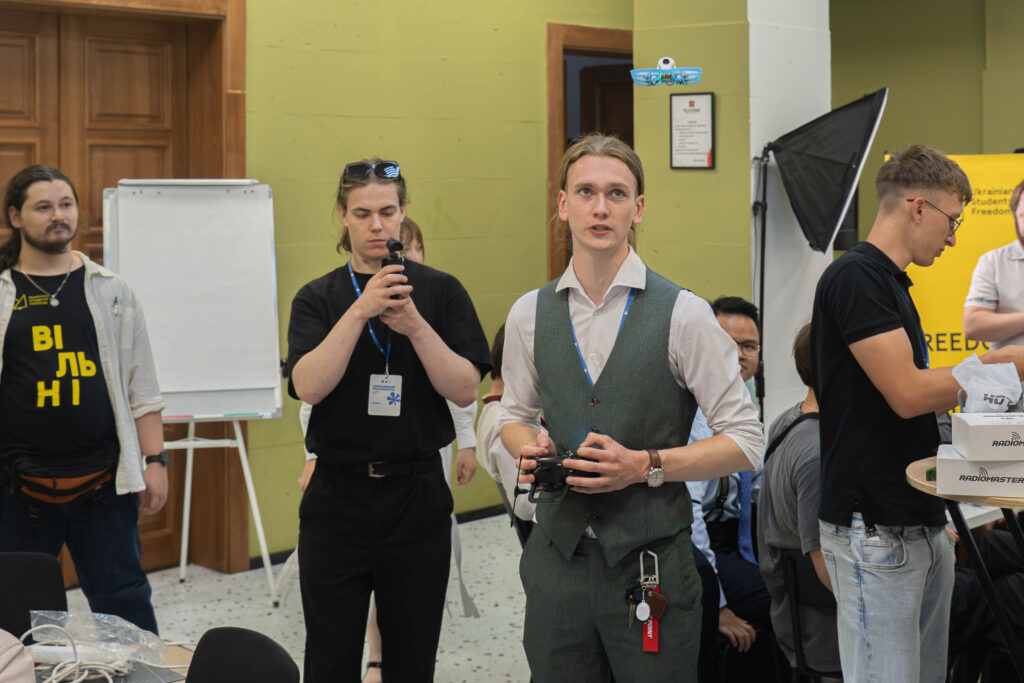
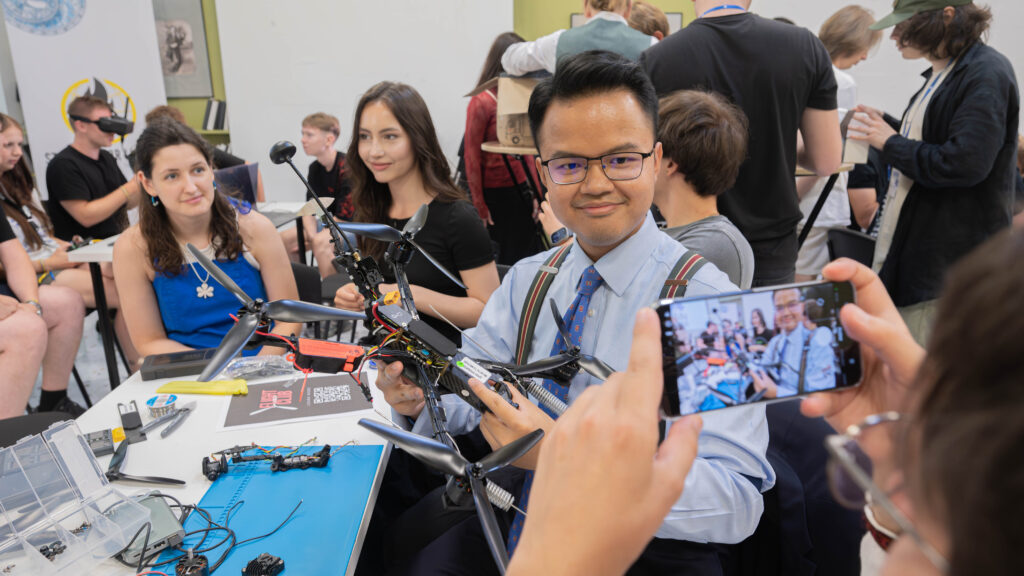
At the same time, in what might have been the most popular session of the day, Flight Club hosted a workshop where attendees learned about what it takes to build and operate drones.
On July 4, the final day of the event, we focused on a range of international issues.
We discussed Ukraine’s European integration, as well as the importance of independent media and the challenge of Russian disinformation. In parallel sessions, spoke about government transparency, and what tools citizens have to monitor government spending and getting involved in calling out corruption, as well as about mental health, trauma caused by the invasion, and how we can address it.
The conference programming concluded with a guided walking tour of Kyiv by Ukrainian Students For Freedom volunteers, and an evening Independence Day Social, which included a liberty-themed pub quiz and charitable auction.
Learning to Make Things Happen in the City Where Everything Happens
Where else to learn about making a real difference for a freer future than in Kyiv – and that’s exactly what our volunteers did the week prior to the event!
From June 29 to July 2, a select group of our volunteers participated in the first four-day European Impact Lab training. They learnt about identifying real problems and how to go about effectively addressing them, how to plan practical steps leading to the desired outcomes, and other useful skills, like project and team management, using events or AI tools for activism, planning campaigns, and much more.
Just as with Ukrainian Renaissance, Impact Lab too sought to build networks. During the training, the attendees met with media representatives, advocacy experts, and other friends of liberty in Kyiv to make connections and learn directly from them.
The projects that our students developed as part of the training varied widely in their focus, but not in their ambition.
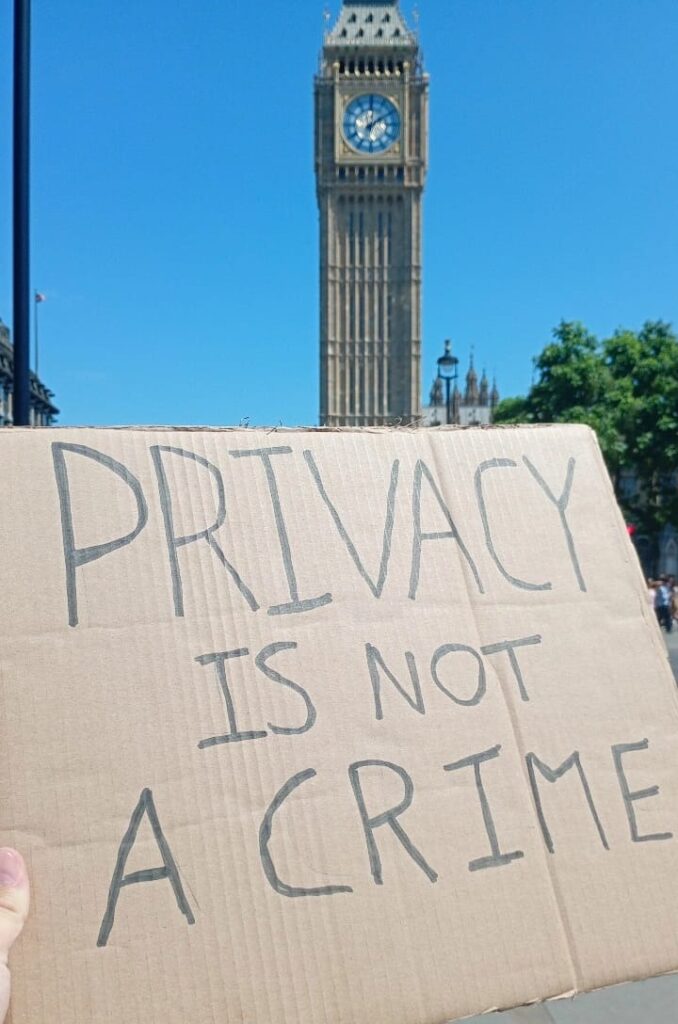
They include a British policy campaign against the proposed digital ID and the privacy infringements it enables, or an educational platform providing simple access to resources on economic education to high school students in the Czech Republic.
Other projects were a Ukrainian platform on combating misinformation and preserving living documentation of the ongoing invasion with a focus on the national media environment, or a large-scale outreach and expansion campaign in Romania, educational programmes in Georgia, and a Europe-wide campaign against reimplementation of conscription policies.
You will be seeing these projects launching soon!
Home of the Brave Indeed
During the week of the event, around 140 missiles and 700 drones were sent by Russia in the direction of Kyiv in two large-scale combined strikes.
Yet this has not deterred our volunteers and participants of both Impact Lab and Ukrainian Renaissance from convening together, making connections, learning from each other, and making plans for a freer, more prosperous future.
If anything, it showed that even under the greatest challenge, the international pro-liberty community will find the courage and dedication to rise to the occasion – as Ukrainians have for over the past decade.
One of the international student participants travelled abroad for the first time to attend the event. This is what he wrote about the experience after returning home:
“They say courage is tested in the hardest moments. If that’s true, then Kyiv is full of the bravest people I have ever met.
I saw a city that refuses to surrender its identity. A city where sirens may interrupt the day, but they do not define it. People continue to work, study, laugh, dream, and welcome strangers with remarkable kindness.
I leave Ukraine with profound respect for its people. Their courage and determination deserve to be recognized far beyond their borders.
Some places leave you with memories. Others leave you with lessons.
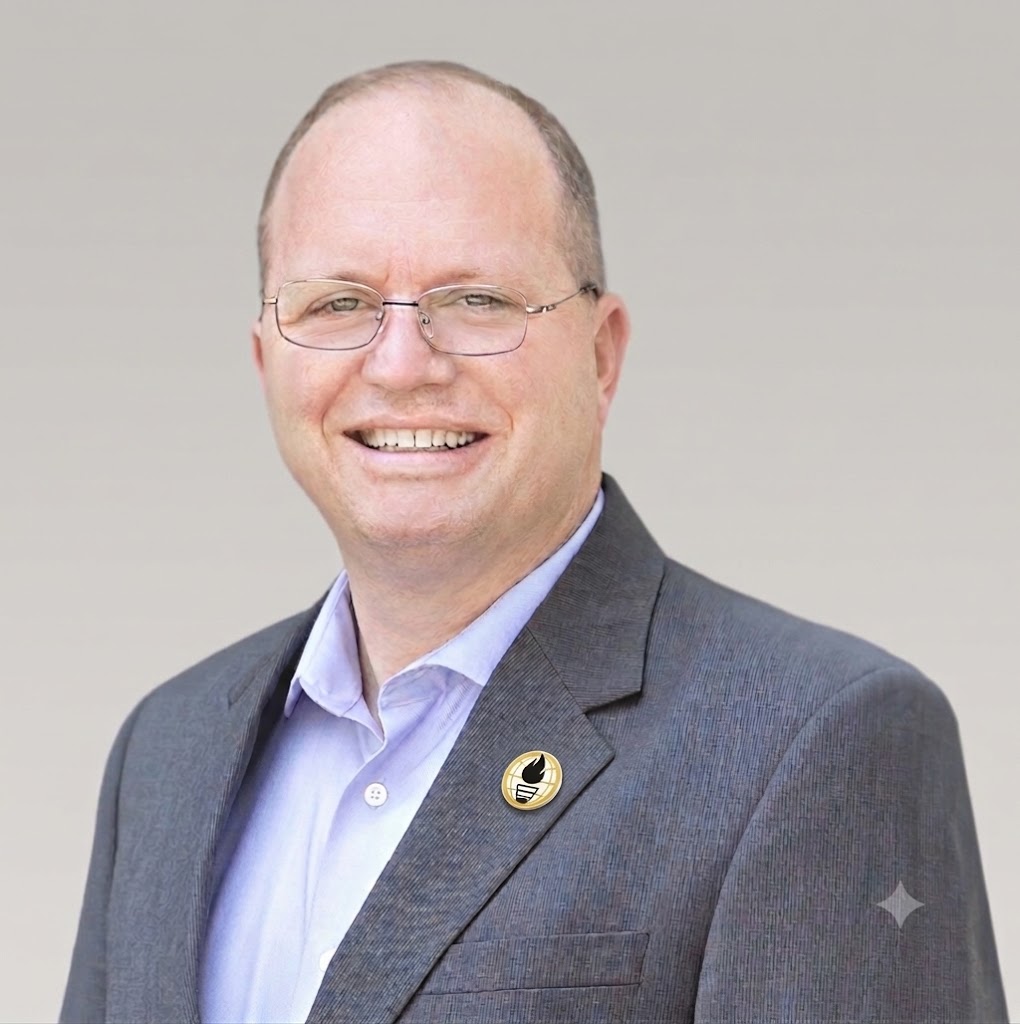
He spent the last decade at Prison Fellowship, where he rose from Director of Field Operations to SVP of Strategic Initiatives. He oversaw 280,000 constituents, a team of 70, and a $10 million budget. Before that, he spent a decade at IBM as a Business Transformation Manager, leading global deployments across more than 60 countries.
He was slammed on his first official day; “drinking from a firehose,” as he put it. But he still gave me 45 minutes to ask everything I could think of. Here’s our interview, edited lightly for clarity.
Q: So, who are you?
A: I sometimes introduce myself as “The Mystery Man.” I seem to show up at the most unexpected times and places. I guess you could say I’m a Riddle.
More seriously, though, I was raised in Central Florida; my dad worked for NASA at the Kennedy Space Center. We watched every launch growing up. In fact, I was there in person when the Challenger blew up. I ultimately worked there for two summers, then went to school, had a great career at IBM, and then at Prison Fellowship. And I’ve had a lifelong passion for freedom.
Working in ministry, I saw firsthand that part of the reason people’s lives fall apart has to do with policy and how we incentivize people to do things. There is a deep connection between how you help individuals and how you help the whole society. The free market has answers for both.
Q: What are some similarities and differences between your previous jobs and this one?
A:One similarity is from the perspective of human freedom: We all aspire to manage our own lives and our own freedoms. People I worked with at Prison Fellowship are very early in that journey, but we’re all pursuing full autonomy.
Another similarity: Our core values were humility, collaboration, excellence, and holistic restoration. You can probably guess how I felt when I saw SFL’s HOPE values.
And then, at IBM, I had teams all over the world. So when I saw how diverse the SFL staff is, I knew it was going to feel like home. The job posting said they were looking for someone to build the culture and manage distributed teams, and I was like, “Well, that’s exactly what I do.” Everything I’ve done in life converged for this role.
Q: Who’s your favorite Batman villain?
A: You want me to say The Riddler, right? Well, instead I’ll tell you my favorite overall Batman character: Robin. Because I like to be the wingman. Not necessarily getting all the credit or spotlight, but always ready with support to make sure the superhero gets his man.
Q: Why on earth, of all the places you could’ve lived, did you choose *checks notes* Tulsa, Oklahoma, where it is currently *checks notes* a million degrees?
A: It all has to do with the ring on my finger. My wife was looking for a fresh career. We played 20 questions about her next step, and narrowed it down to academia. She started working at Oral Roberts University in Tulsa. So I moved there for her.
I’m spoiled; I’ve lived in Kansas City, Cincinnati, Boston, Durham, North Carolina … those have all been amazing places. I like Tulsa, too, but what I like most about it is Jaime Riddle.
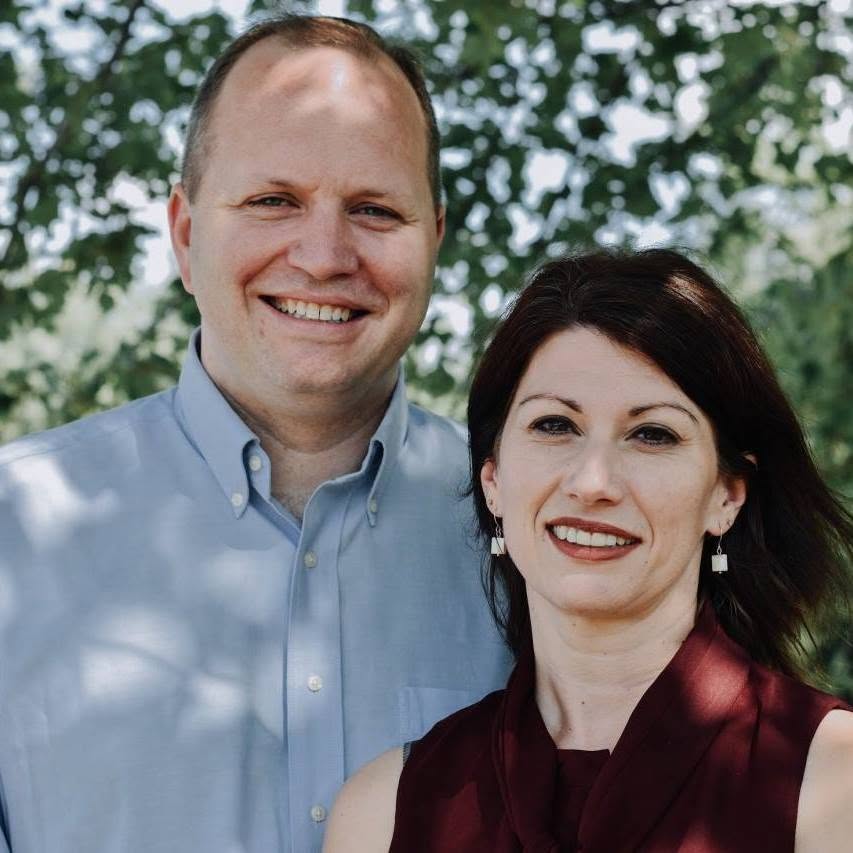
Will and his wife, Jaime.
Q: You studied at Duke. Were you a Cameron Crazy? [Editor’s note: Duke University’s basketball team is generally one of the best in the country, and their student cheering section is generally one of the rowdiest and craziest in the country. They play at Cameron Indoor Stadium. Hence: Cameron Crazies.]
A: I love Duke Basketball, but to be a TRUE Crazy, and to get the best tickets to the best games, you have to camp out for, like, 6 weeks in the wintertime. I was a little too focused on school to go to those lengths, but I was a resident advisor, which helped me get tickets.
Q: Why take this job?
A: At Prison Fellowship, I was able to work at something I was passionate about. Now that I’ve had that experience, I never want to do something I’m NOT passionate about. But I felt like I had achieved everything there that I could, so when this job came open, I knew immediately: It fit me super well. It was a no-brainer to apply.
Q: Have you always been a libertarian?
A: I would say I’ve always been pro-freedom, but it was the 2008 election that really got me more politically involved. I began to see the hyper-politicization of our government, and that it was moving toward socialism. I started proactively looking for ways to be involved. We volunteered on a congressional campaign, started showing up at various events, and even did some homegrown activism in school choice.
When I started working with people on the street in recovery ministry, I became even more convinced that everything flows from personal responsibility. So while some might look at my resume and wonder how it all fits together, to me it’s completely consistent: I’m in this because I care about people.
Q: So where do you place yourself within the movement?
A: I’m careful with labels because everyone has slightly different understandings of what they mean, but I think you could comfortably call me a classical liberal. If you want to know how I think in terms of political economy, I would just say pick up Thomas Sowell. I pretty much love anything he writes. My favorite book of his is The Vision of the Anointed: Self-Congratulation as a Basis for Social Policy.
Q: Who’s your all-time favorite libertarian? Wrong answers only.
A: [Laughs.] Whoever was really running the Biden administration. Joseph Stalin a close second.
Q: What do you see as your first order of business?
A: The very first one is to get to know everybody. They say personnel is policy. Everything flows from having the right people and having the right relationships with the right people. I want to get to know the team, what their aspirations and frustrations are, and build great relationships.
From there, we’ll look at: Are there some things that I can help with, as a central source for addressing pain points? Wolf shared a lot with me about the core values and the kind of culture he wants, and building the culture he’s imagining. There’s already a culture of innovation and entrepreneurship, so I want to build on that, too.
I taught a class in India once, when I was with IBM. The way people answer questions I posed to the classroom is just so creative and self-organizing: Everyone starts speaking at once, there’s no hand-raising or anything … and then out of the 35 people or so, eventually just one person completes the answer and the others know to stop. It’s a self-organized solution to chaos. It’s very libertarian, and I think very SFL.
Q: Speaking of international travel, now that you work for a global team again, where’s the one place you’re most looking forward to visiting?
A: I have to confess: I’ve never been to continental Europe. I’ve been to the UK, but never to the continent, so I’d like to start there. I also have a deep-seated curiosity for some obscure places, like Kamchatka and maybe Lake Baikal.
Q: Do we have students there?
A: Not yet …
Q: What’s your all-time favorite riddle?
A:My daughter, Abigail Riddle.
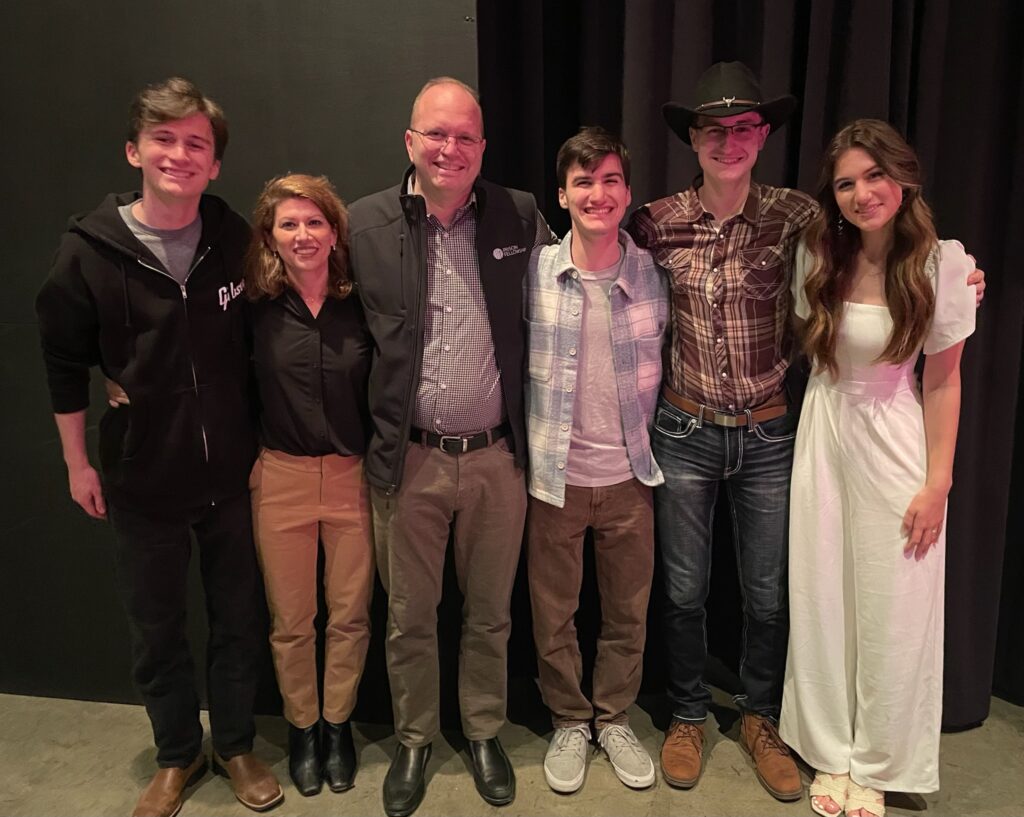
Will and his family.
Q: Touche. Alright, last one: What’s the most interesting thing you haven’t told me yet?
A: Man, tough one. You know that game Two Truths and a Lie? Well, one of the “truths” I usually go with is: I’ve been to prison in 20 states. People think that’s the lie, but it’s true!
Another cool thing is that when I was a little kid, my grandma took me to the top of the U.S. Capitol. We even got to go out on the balcony, which is typically exclusive, but my grandma was important in politics in her little county in West Virginia, so she was able to make it happen.
Looking out over D.C. stuck with me for life. It gave me a desire, and helped me realize that we’re incredibly fortunate to live where we live. And ever since then, I’ve had a lifelong passion to defend freedom.
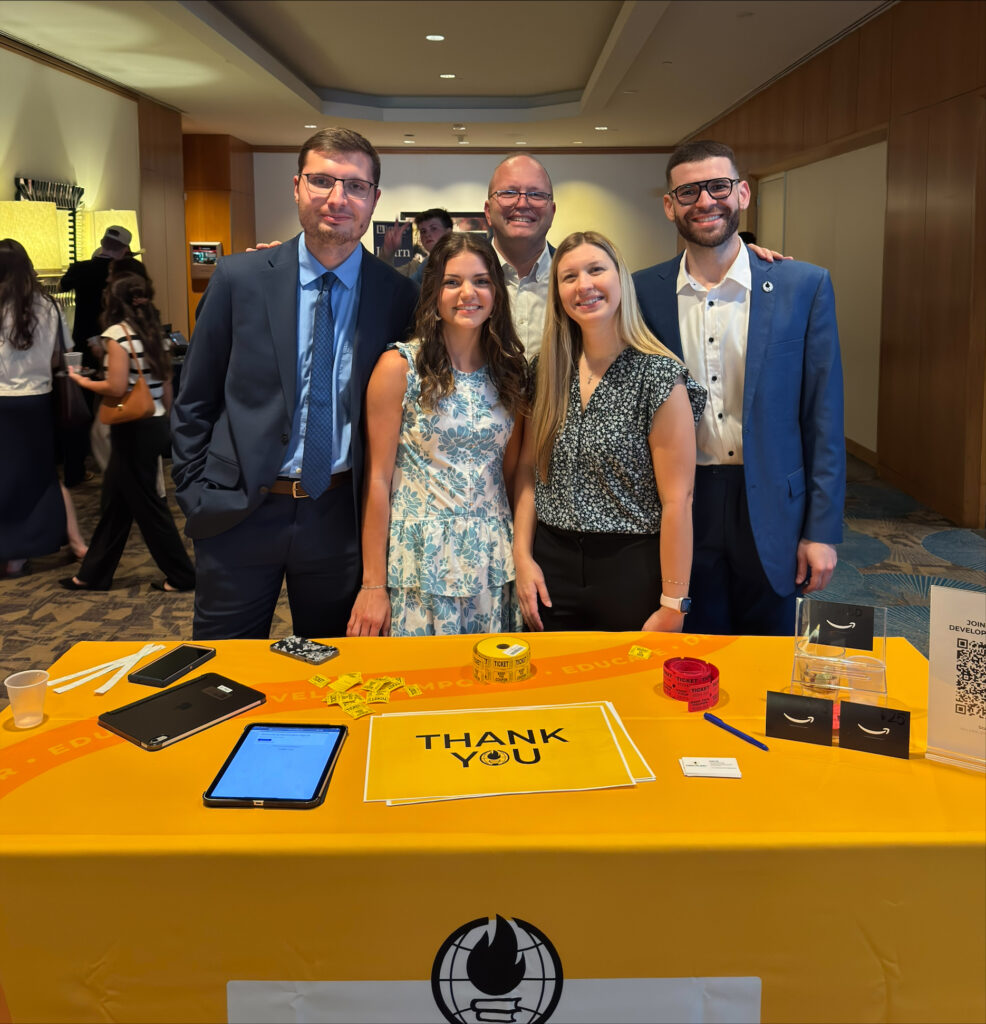
Will met some of his new colleagues on his first day with SFL.
From countries which have a Constitutional foundation of freedom to protect, to those in which our students and alumni are risking it all for liberty, we want to tell you how our students and alumni are making a difference.