Editor’s note: Our Success Stories typically feature individual students or alumni. But SFL’s North American operations have been so successful lately that it seemed fitting to feature them as a whole.
Across North America, the cost-of-living crisis, trade wars, harsh crackdowns on immigrants, and international conflicts spilling onto campuses have created a troubling political environment.
How do we meet this moment?
Not with cynicism. With better leadership.
That’s why, in 2025, we restructured our North American Local Coordinator program into a pipeline built around education, development, and empowerment. The results have been immediate and powerful.
Start with Ideas …
Before students enter the public square, they study Bastiat’s The Law, Hazlitt’s Economics in One Lesson, and Read’s I, Pencil.
So, they first learn the philosophical, political, and economic foundations of a free society. Then, students transition from intellectual formation to professional development.
- They learn communication and storytelling, project management, leadership ethics, fundraising, outreach strategy, and conflict resolution.
- They learn how to build and lead teams.
- They gain the skills required to run events, build campus groups, and launch public-facing projects.
This is important: They are not being trained to run student clubs. They are being trained to become the next generation of public leaders who can think clearly, act responsibly, and engage others with confidence.
Two initiatives in particular illuminate the well-roundedness of their training.
The first is our Human Respect Campaign, which teaches students a simple, natural principle: Coercion, violence, and theft always reduce human happiness and harmony. By grounding students in a philosophy of voluntary cooperation and personal responsibility, we are shaping leaders who do not seek power over others but who seek to persuade, build, and inspire.
The second is our Difficult Dialogues Series, which trains students to engage with tough topics calmly, intelligently, and with sincere curiosity. Through Socratic seminars, practical training, and in-person colloquia, students learn how to ask thoughtful questions, manage their emotions, listen actively, and disagree constructively.
… Proceed with Action.
Once students learn these principles, the House System turns their growth into real-world impact.
Students join one of five Houses aligned with their long-term professional paths:
- Ostrom House for academia
- Bastiat House for politics, policy, and law
- Hazlitt House for journalism and media
- Spooner House for entrepreneurship
- Douglass House for activism and social change.
The Houses give students community, mentorship, and a sense of direction. They turn political theory into practical leadership and create a space where students can work on what matters most to them.
This is where our Impact Projects come in.
One student, Lamar Zala Gran’s project, is Education as Liberation. It reframes learning as a process to liberate women in Afghanistan.
The Give and Gain Campaign challenges blood and plasma donation rules in Canada, highlighting the importance of bodily autonomy and compensation to increase supply and save lives.
Our Lab-Grown Meat Ban initiative pushes back against protectionism and government interference in innovation.
And the Discourse Dialogue Project creates spaces on campus for students to discuss sensitive political topics without hostility.
These are not hypothetical exercises. They are student-led interventions in areas where the ideas of liberty inspire them most.
The Results Speak for Themselves
Young people want leadership that is calm and principled rather than angry and reactionary. They want activism that is grounded in dignity and persuasion, not fear or coercion. And they want practical pathways to make a difference.
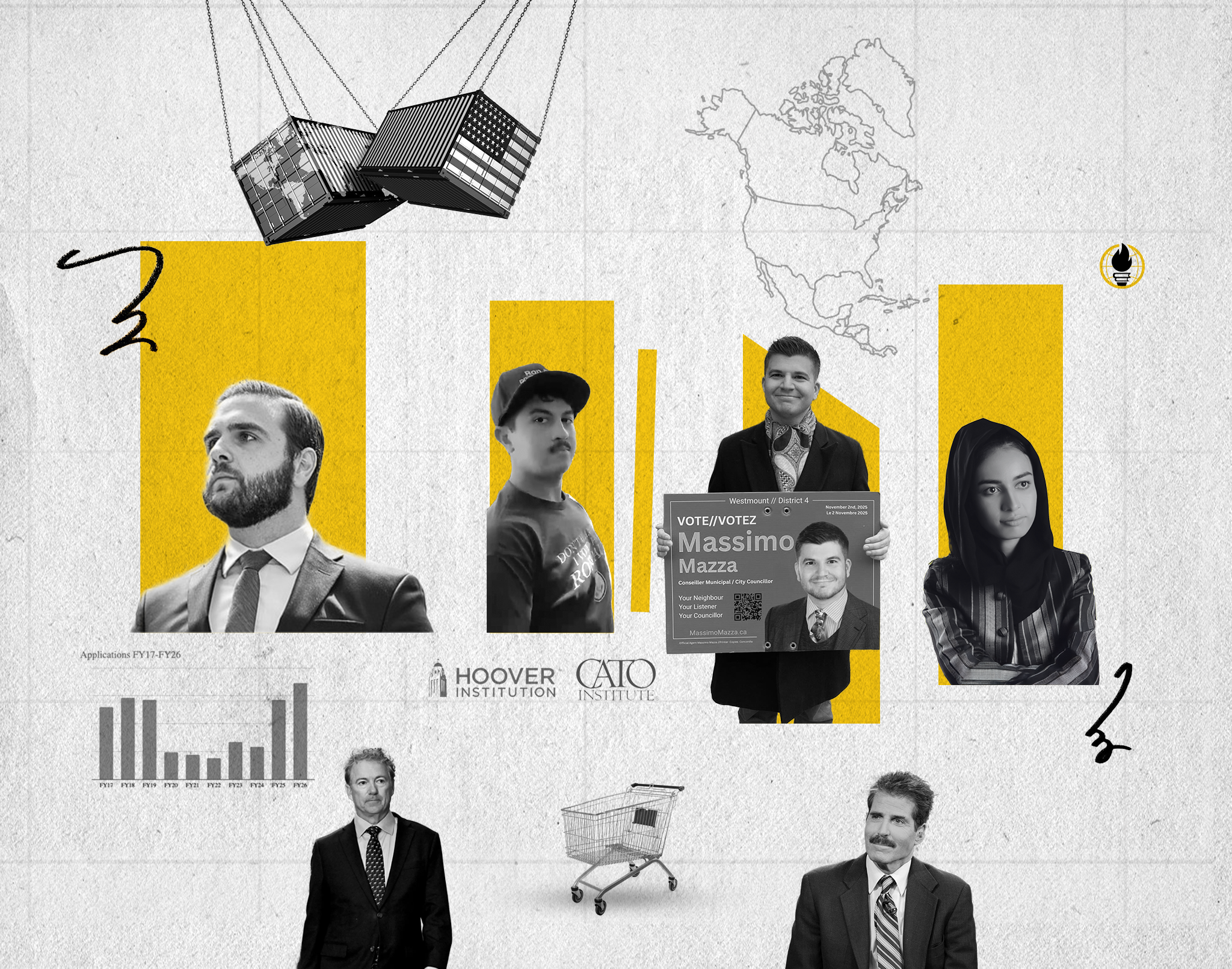
That’s why, in North America, we had our strongest recruitment year ever, receiving more than 350 Local Coordinator applications in the first six months of 2025. Students generated more than 18 million views across our North American social channels. Our online engagement grew by 382 percent in likes, 281 percent in followers, 328 percent in views, and 649 percent in overall reach.
Students spent more than 4,200 cumulative hours learning the ideas of liberty by reading and being quizzed on aforementioned books like The Law, I, Pencil, and Economics in One Lesson, as well as training on leadership, organizational, and communication skills.
On-the-ground wins
Numbers are important, but they tell only part of the story.
At the University of Tennessee, which had long reported one of the highest rates of sexual assault in the nation, SFLers there were moved to act. Their demand was simple: that the university recognize individuals have a right to defend themselves. They collected signatures on a petition, and after two years of fighting, won a massive victory when Tennessee’s governor signed HB 1909: The Laken Riley Act of 2024. It prevents universities from prohibiting “adults lawfully present on the institution’s property from carrying a non-lethal weapon for purposes of self-defense.”
Meanwhile, in Texas, an SFL volunteer named Zall Arvandi worked with FIRE — the Foundation for Individual Rights and Expression — to win a preliminary injunction that blocked “the University of Texas System from enforcing a new Texas law that bans virtually all protected expression on public university campuses after dark.”
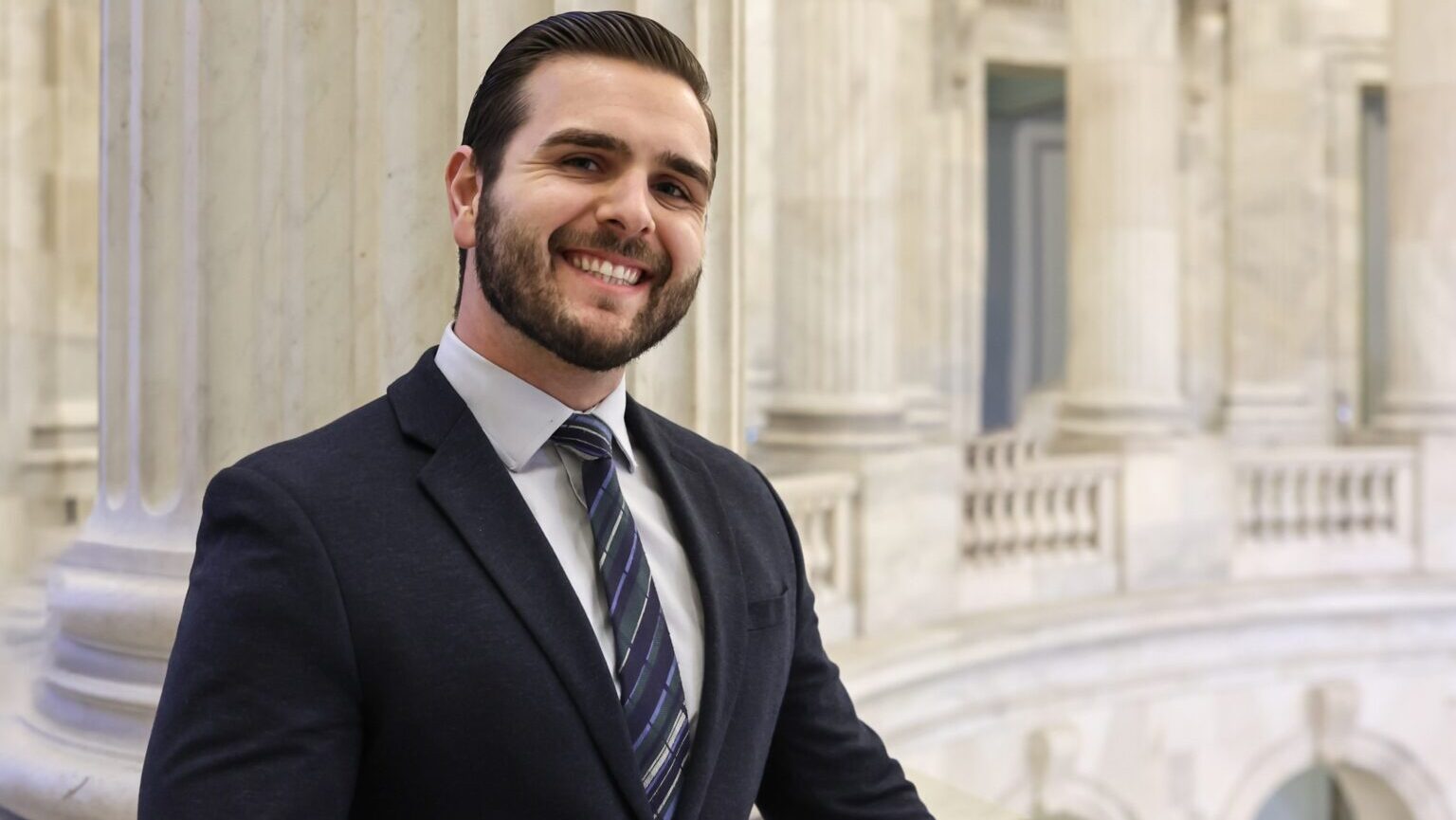
Moreover, recent SFL alumni have taken positions with Senators John Kennedy and Rand Paul and serve on House committees (see Trace Mitchell), while others have submitted policy-shaping regulatory comments to the Federal Trade Commission and the Department of Commerce.
Other SFL alumni have worked with John Stossel, Cato, and the Hoover Institute. And our alumni are the presidents of the Advocates for Self-Government and the American Conservation Coalition.
And SFLers have run for city council, eliminated nationwide taxes, and shown thousands of young Canadians just how badly the government is treating them.
The SFL Theory of Change Is Working
By educating students in the classical liberal foundations of politics, philosophy, and economics, developing their leadership skills, and empowering them to work on the issues they care about with humility and respect, we are preparing a generation to be capable of navigating polarization rather than being consumed by it.
The waves — and the results — are rolling in. The tide is turning. Leaders throughout the continent are joining us in record numbers. And so, in North America, SFL’s student volunteers and alumni are the ones who will shape the conversation tomorrow, next week, next year, next decade.