By Bukola Adimula
“I once believed deeply in the power of government. I mean, deeply and completely. I believed that the government has to provide free education for everybody. Free healthcare. Government intervention in the economy is enormous — and should be. They can dictate prices — and should. Or so I thought.”
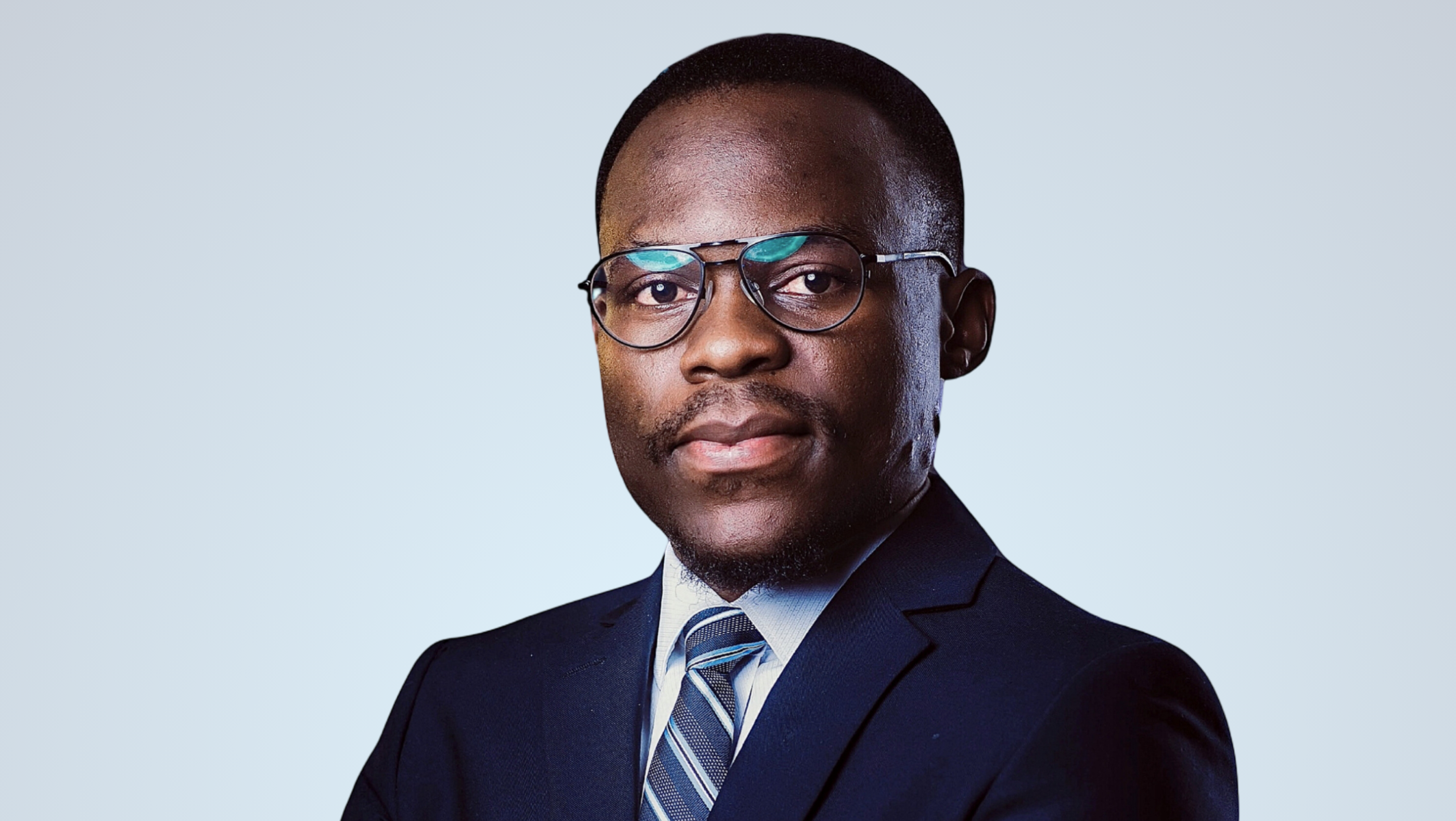
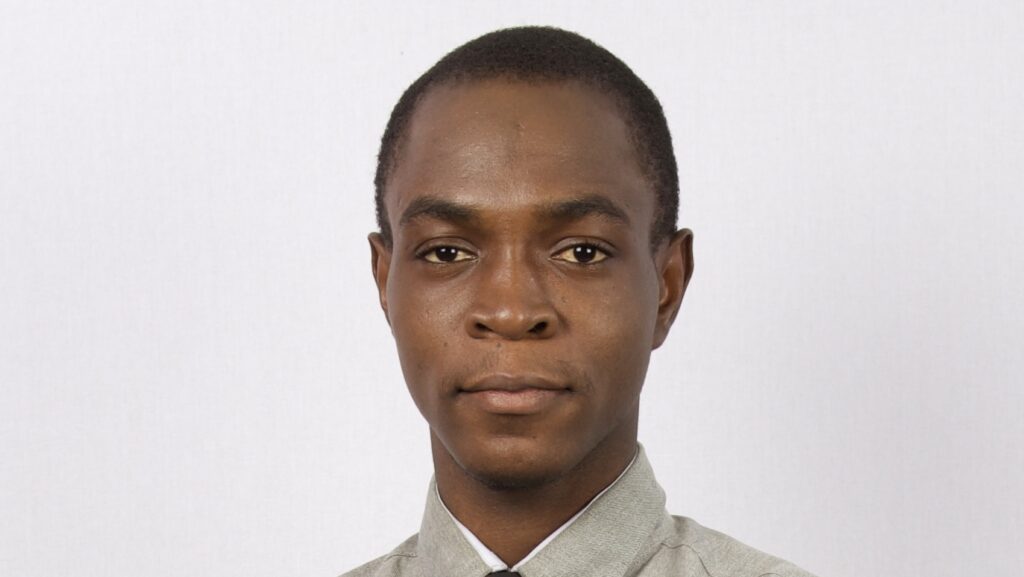
Those were the words of Abdullah Tijani, now Executive Director of the Liberalist Centre and alumnus of the African Liberty Writing Fellowship, while reflecting on his journey in the freedom space.
And then he added a few more words: “That was before I joined Students For Liberty.”
For Abdullah, that’s where it all started, the journey into the liberty movement — at university, as a student at Usman Danfodiyo University, Nigeria.
“Even though I was a socialist, I was a human rights activist,” he said. “So when I saw SFL’s advertisement on Facebook, I could tell it was an organization that promotes freedom. People who were fighting for people. That’s what attracted me to apply. So ironically, it was my socialism and my passion for human rights that brought me through the door of a libertarian organization. And what I found on the inside completely transformed the way I think.”
He became a Students For Liberty volunteer in 2018, and as a volunteer, Abdullah found the joy of spreading the ideas of liberty. With the support of his national coordinator, Sanni Johnson, he established a chapter of Students For Liberty on his campus.
Their first event brought together 100 participants, a significant turnout that helped them officially launch a chapter with 20 volunteers shortly thereafter.
During Abdullah’s time at Usman Danfodiyo, the chapter became remarkably active, recruiting and training more volunteers than anywhere else in Nigeria and becoming a point of reference for volunteers throughout the region.
“We were dedicated to hosting two impactful, physical events yearly,” he said. “And it just kept growing.”
He went on to serve two terms as national coordinator for Northern Nigeria in 2020 and 2021, during which he assisted and mentored new volunteers and helped keep the northern region alive and active in the liberty space.
Through his involvement with Students For Liberty, Abdullah heard about SFL’s African Liberty Writing Fellowship, a competitive program that starts with a 5-week training session, followed by a structured and grueling process of learning how to pitch ideas to an assigned SFL editor who looks at them, and either approves or rejects them. Eventually, the Fellowship’s trainers help Fellows pitch articles to (and then write articles IN) mainstream outlets throughout the continent.
Abdullah was still a student journalist, finding his footing, but, he said, “I came across the African Liberty Writing Fellowship and it really changed my life. It introduced me to a new world of writing. I was not exposed to writing op-eds before that time, and the training helped me realize that op-eds were what I wanted to write — and to master.”
The knowledge and discipline he gained from the Fellowship shaped his thinking about media and communication. It ultimately informed his decision to establish the Liberalist Centre as a media platform focused on promoting the ideas of liberty. It has become a leading pro-liberty think tank in Africa, and has established its own flagship program: the Journalism for Liberty Fellowship. The organization has trained more than 200 journalists across Nigeria, Kenya, Tanzania, and Zambia.
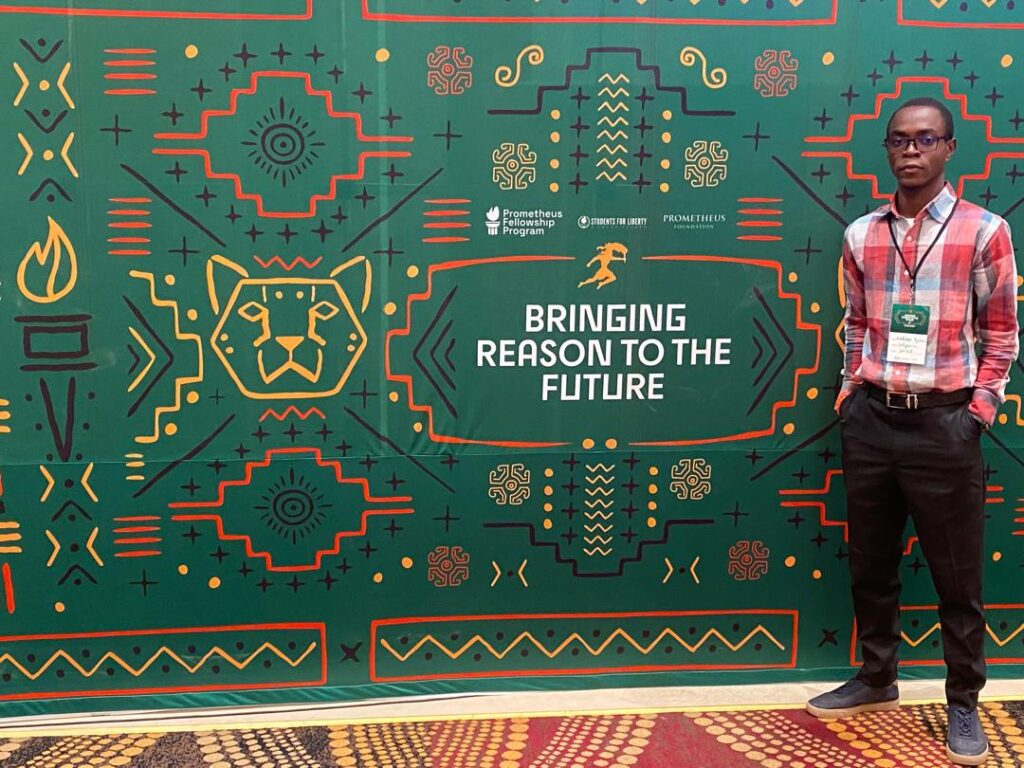
And Abdullah did not stop there; he went on to become a Prometheus Fellow with Students For Liberty, and the Liberalist Centre currently runs the John Galt School in Nigeria in partnership with the Atlas Society.
But closest to his heart is the muckraking journalism that Abdullah has continued to produce. He published “Inside Nigeria’s Terrorist-Controlled Mining Sites,” a three-part investigative series supported by the Pulitzer Centre. He also investigated the consequences of the Nigerian government’s ban on shea nut exports, revealing how the policy devastated the women and local traders at the bottom of the supply chain. And as part of the Kwame Nkrumah Fact-Checking Fellowship, he was awarded a prize for best fact-checking article in the whole of West Africa: a story that exposed how misleading headlines in Nigerian media were fueling misinformation about government import policies.
Now, as he reflects on how far the liberty space has brought him, the young man who once believed government could solve everything offers a clear and direct message to anyone looking to start this journey: “The freedom space is all about learning, unlearning, and relearning. You should be open to new ideas and ready to grab the opportunities that come your way.”
He also believes that those who promote liberty must do so with consistency and principle. “You cannot say you want limited government intervention in the economy and then agree to minimum wage. That is a government intervention. Liberty has principles, and everything that has principles must be consistent,” he said. “Without Students For Liberty, I might never have developed into a man who knows that.”