By Trevor Kraus, Managing Editor
More than 65 percent of Venezuelan businesses fail in their first year. The government makes sure of it with rampant inflation and regulatory processes designed to obstruct.
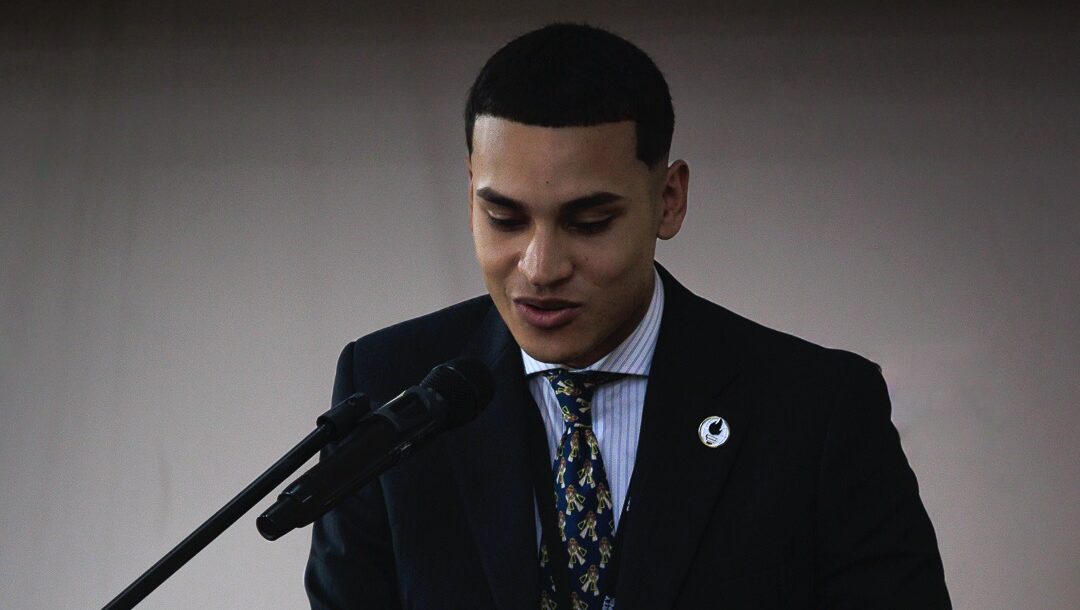
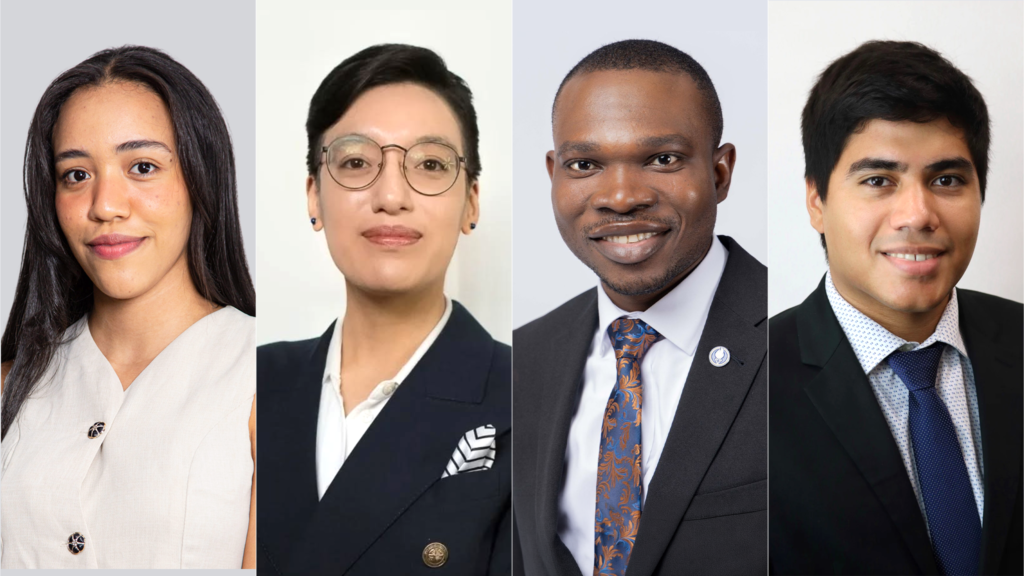
Oriana Aranguren (pictured below) had grown up with it. By the time she applied to Students For Liberty’s Global Accelerator Program in 2025, she had been thinking about what to do about it for years. Here’s the full story, as told by the four major stakeholders in what would become a narrative-shaking documentary called Emprende 360.
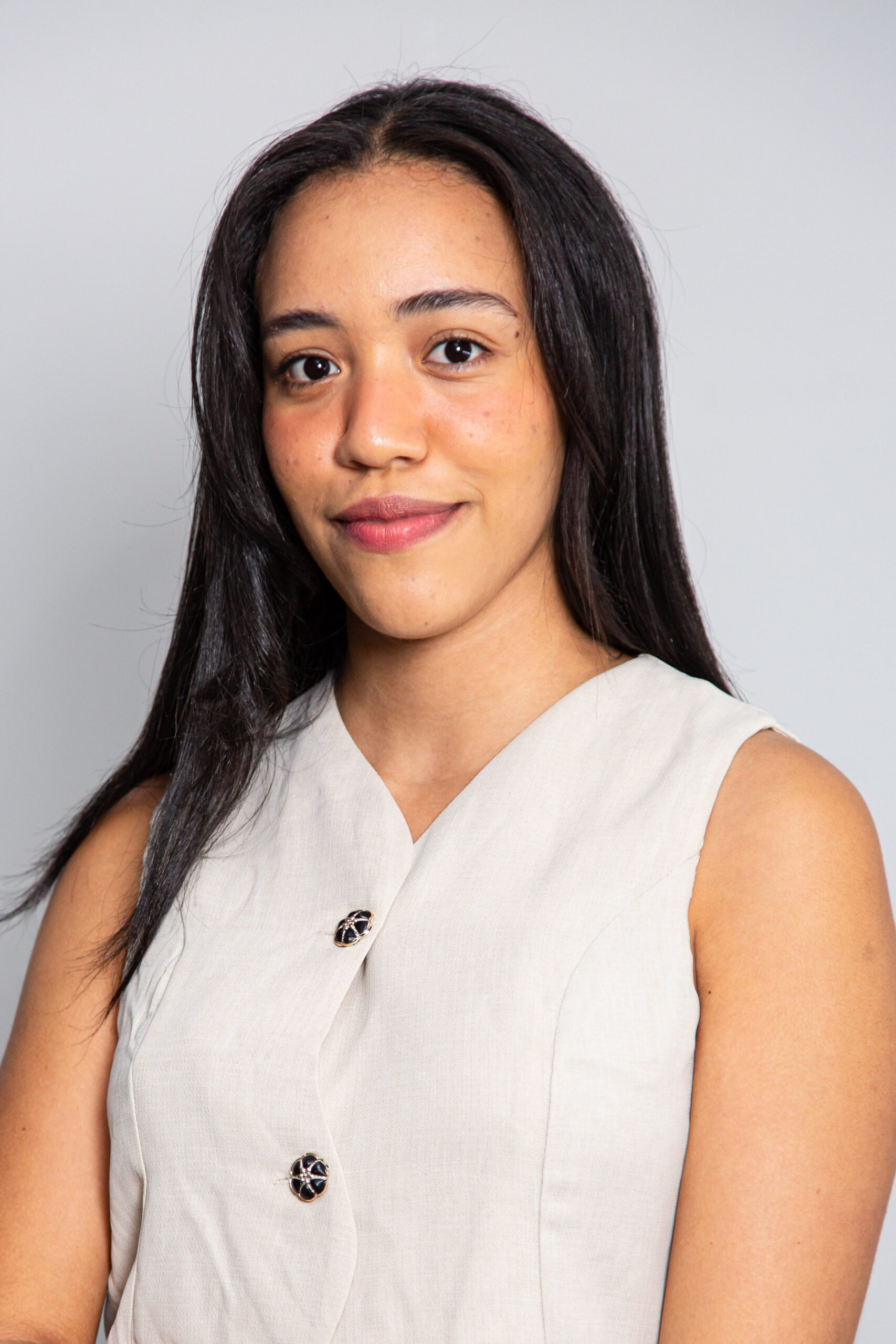
Olufemi Ogunjobi (Director, GAP Program, Students For Liberty): “Honestly, I was looking for people who already understood their problem better than I ever could. GAP fellows operate in contexts — Venezuela, Zambia, Nigeria, Peru — where the conditions on the ground change everything. What works in theory rarely survives contact with those realities.”
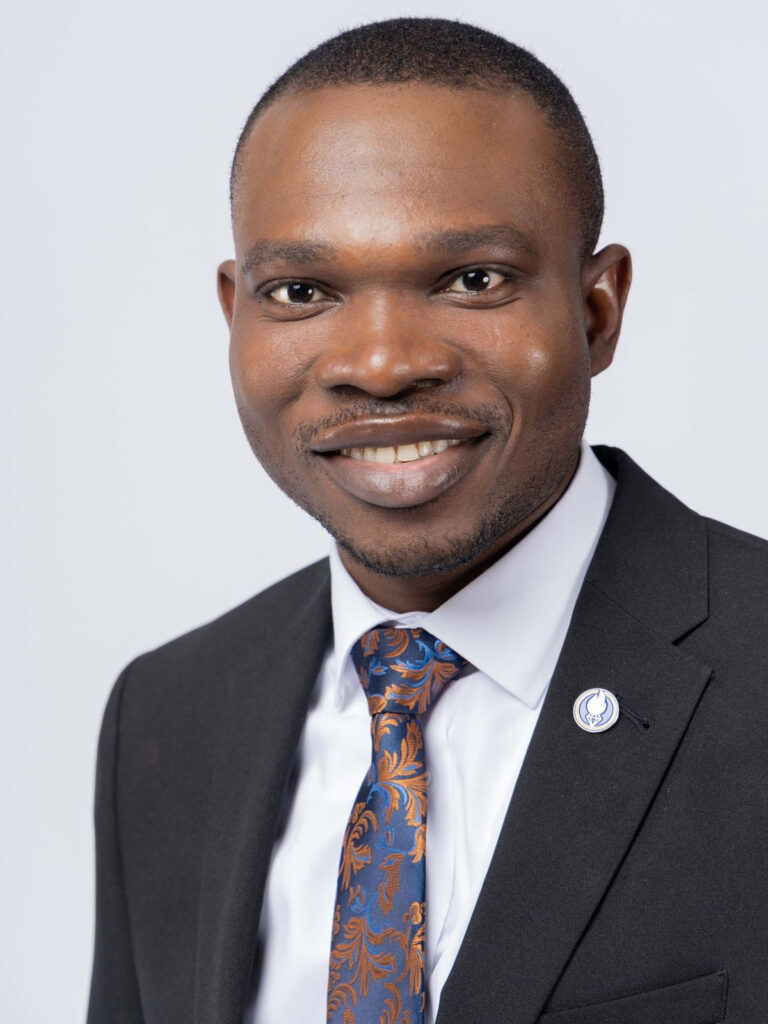
Olufemi is now Director of Students For Liberty’s next major initiative: The Statement Fellowship, but he was the man in charge of the GAP program as it was being rolled out and soliciting applications from SFL’s global network.
Over nine months, the fellows who were chosen designed and executed real-world projects in their own communities — from policy research and documentary filmmaking to grassroots organizing — with the backing of seed funding, structured training, and one-on-one mentorship from experienced professionals in the liberty movement. (For Emprende 360, that mentor was Oswaldo Silva, who worked at SFL for nearly five years before moving to the Mercatus Center at George Mason University).
Fellows were not handed projects to implement; they brought their own ideas, and GAP equipped them to execute. GAP Cohort #1 brought together 50 Fellows from all over the world. The results included published documentaries, like Emprende 360, policy papers, community events, and institutional partnerships.
Part 1: The Proposal
Oriana’s original idea was expansive: a series of conferences across multiple Venezuelan states, paired with entrepreneurship events in Peru. She had been developing the concept of Emprende 360 long before GAP existed; the program gave her the funding and structure to actually build it. Around the same time, Soledad Castillo Jara — a Peruvian political theorist who had dedicated her master’s thesis at the University of Salamanca to Venezuelan migration — applied to the same cohort. When both were accepted, the collaboration was a no-brainer.
Soledad Castillo Jara (GAP Fellow, Peru): “The project brought together something I value deeply: a shared language and a shared context. Oriana is Venezuelan, our mentor Oswaldo is Venezuelan too, even though he lives in the United States, and I am Peruvian with Spanish roots. Communication flowed naturally because we were not only discussing ideas in Spanish, but also a regional reality we understand through common language, culture, and problems.”
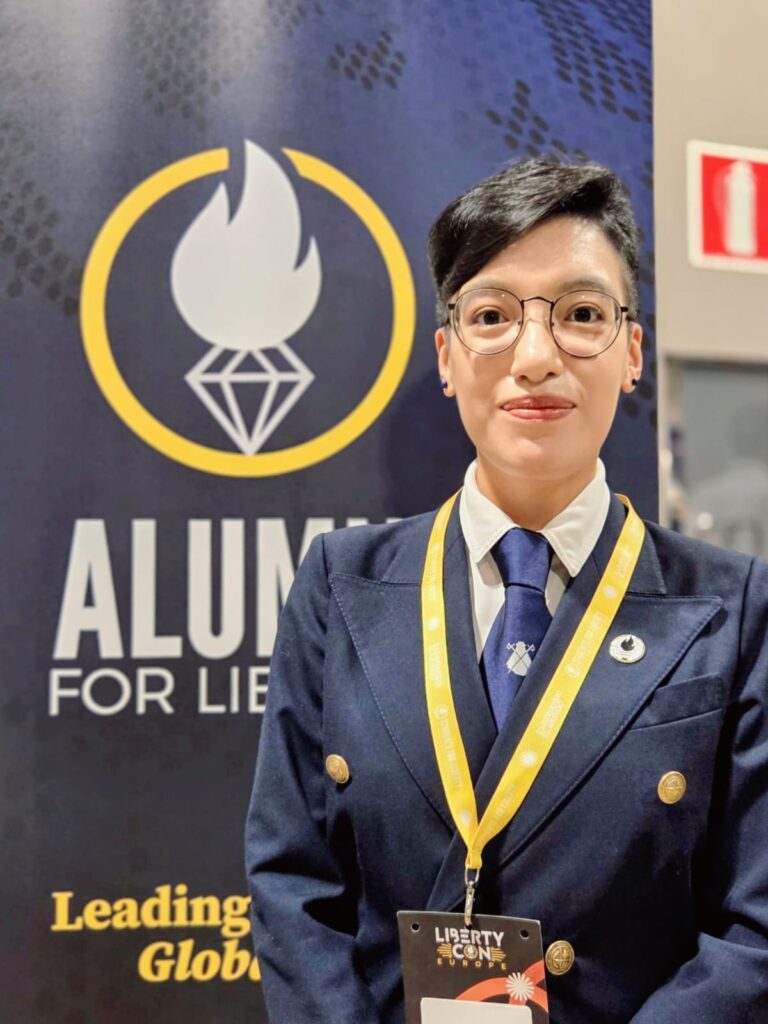
Olufemi: “Oriana and Soledad came in with the solution already shaped. They wanted to document Venezuelan entrepreneurs — not as victims of bad policy, but as people actively building and adapting despite it. That’s a much harder story to tell, and a much more powerful one. It reframes the whole conversation. Instead of showing what authoritarianism destroys, it shows what human agency survives. When I read that, I knew the instinct behind the project was right.”
They had met in person just once before formally collaborating — at a leadership training event in Lima in December 2024. Oriana had built her reputation as a student activist and SFL volunteer in Venezuela; Soledad brought years of academic research and a growing portfolio in communications. Their mentor, Oswaldo Silva, Operations Coordinator for Research and Programs at the Mercatus Center at George Mason University, saw early on what they brought to each other.
Oswaldo Silva (Mentor): “I saw that Soledad and Oriana complement one another very well. Soledad brings a strong academic background, while Oriana has a more activist profile and a deep ability to connect ideas with action. I knew they would excel at their project, and that the process would be both fun and rewarding because it was clear from the beginning that they would pursue excellence. They also demonstrated great tact in addressing the difficult realities we see in Latin America while still being able to propose constructive solutions.”
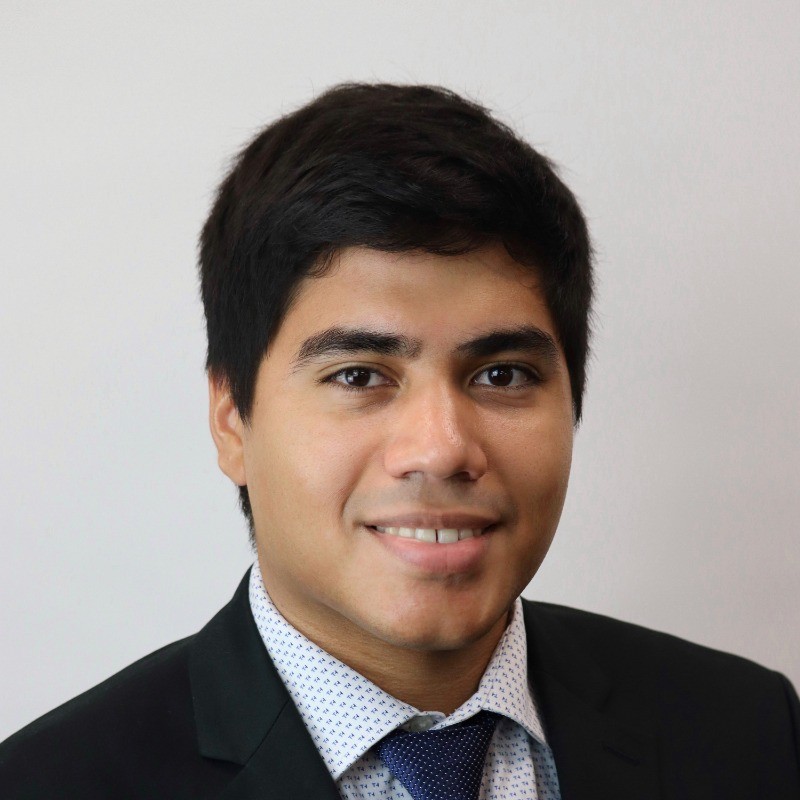
Oriana Aranguren(GAP Fellow, Venezuela): “Pretty much as soon as we found out that we had both been selected for the program, we thought it would be a great opportunity to combine our ideas and work as a team.”
Their initial proposal said “Through expert-led workshops, mentorships, regional contests, and libertarian-aligned content, Emprende 360 equips aspiring entrepreneurs to create value, build sustainable businesses, and reduce their dependency on the state.”
It listed these initial objectives:
● Train 650+ youth across 10 states with customized workshops
● Host 3 pitch contests, supporting 90+ project submissions
● Form partnerships with 5+ universities and 10+ regional businesses
● Generate 50,000+ social media engagements and a 15% conversion rate
● Document 10 entrepreneurial success stories
Part 2: The Pivot
It was an ambitious proposal — maybe too ambitious. It soon became clear that neither their budget nor their energy levels could sustain ALL of that … plus a documentary. The original scope had to shrink. But when it did, the project got sharper.
Oriana: “We decided to focus our time and resources on producing a high-quality documentary, which became the heart of the project.”
Soledad: “We had to be honest about what was feasible. With a $1,000 budget, it was not possible to do everything, especially because production costs in Lima are relatively high compared with Venezuela. In the end, we narrowed the scope and focused on producing a strong documentary in Venezuela, where the stories were especially urgent and where the budget could go further.”
Oswaldo: “They were willing to adapt to the circumstances while keeping a clear purpose in mind: They wanted to create something tangible, capable of inspiring entrepreneurs and connecting them not only to one another, but also to the philosophy of liberty.”
Part 3: The Obstacle of Venezuela
Pivoting to a documentary solved the budget problem … then created a different one. Venezuela is not a country where people speak freely on camera about life under a repressive government. That was an obstacle, though, that could be overcome — and would be worth it.
Olufemi: “Everything logistical is harder there — access to equipment, reliable connectivity, the practical and sometimes personal risks. There’s also the challenge of getting subjects to speak on camera in that environment. People are cautious, and rightly so. Oriana and Soledad had to build real trust with the entrepreneurs they filmed before a single camera came out. That takes time, relationships, and a level of sensitivity that can’t be trained. It has to be earned. And they earned it.”
Soledad was coordinating from Peru while keeping pace with a full academic calendar. Oriana was on the ground in Caracas, navigating a country where currency rates change all the time, forcing suppliers to reprice without warning.
But before any of that, came the building of trust. And that meant lunches.
Oriana: “Definitely a highlight for me was the lunches and conversations with the entrepreneurs. Those moments were very special because they allowed us to get to know them beyond their businesses and hear their stories in a much more personal way.”
The entrepreneurs they eventually filmed, who are building companies in the food, technology, apparel, and chocolate industries, had each reached a point where stopping seemed easier than continuing. One of them says as much on camera, plainly: “Many times I said: ‘No, I’m going to leave this here.'”
The documentary is built around the fact that she didn’t.
Part 4: The Finished Film
Olufemi had been following the project for months through check-ins and progress updates, but nothing he read in those reports prepared him for watching the finished film.
Olufemi: “Seeing the finished film was different. It was polished, it was emotionally honest, and it told the stories with real dignity. These weren’t talking heads explaining economic theory. They were people you wanted to root for. I remember thinking: This will travel. This is the kind of thing that people share because it makes them feel something, not just because it informs them. That’s hard to manufacture, and they did it.”
Oswaldo: “The key is: It’s not just about a headline or a statistic. It is about people, ideas, and the inspiration to create, even in the most hostile environments.”
The documentary is now live on EsLibertad’s YouTube channel (and embedded below) with English subtitles, and Oriana and Soledad are running a dissemination campaign across social media in both Venezuela and Peru.
Soledad: “The documentary shows that entrepreneurship is not only about business or profit; it is also about human resilience, dignity, and the capacity to act despite constraints.”
Oriana: “Above all, I hope people understand this: Entrepreneurship isn’t about luck. It’s about perseverance, hard work, and the determination to keep going even in the most difficult and restrictive environments.”
Part 5: Toward a Freer Future
The film is great. Motivational. Inspiring. You should watch it for yourself; no amount of description here will summarize it properly.
But its legacy will be as a building block for Students For Liberty Venezuela. Oriana and her team of volunteers there have already held an entrepreneurship event in Caracas and are expanding to other states.
Olufemi: “Oriana and Soledad made something that will still be making the argument ten years from now, long after the grant cycle that funded it is over. That’s rare. And for a program that exists to develop young leaders who can make a lasting impact — not just complete a deliverable — this documentary is exactly the kind of evidence I want to point to.”
Oswaldo: “I want people to value individuals, their passions, their efforts, and their determination to achieve their goals. The documentary is a testament to the challenges of our time and to the ways people continue to overcome them.”