By Liezel Mae P. Sabado, Local Coordinator, Philippines
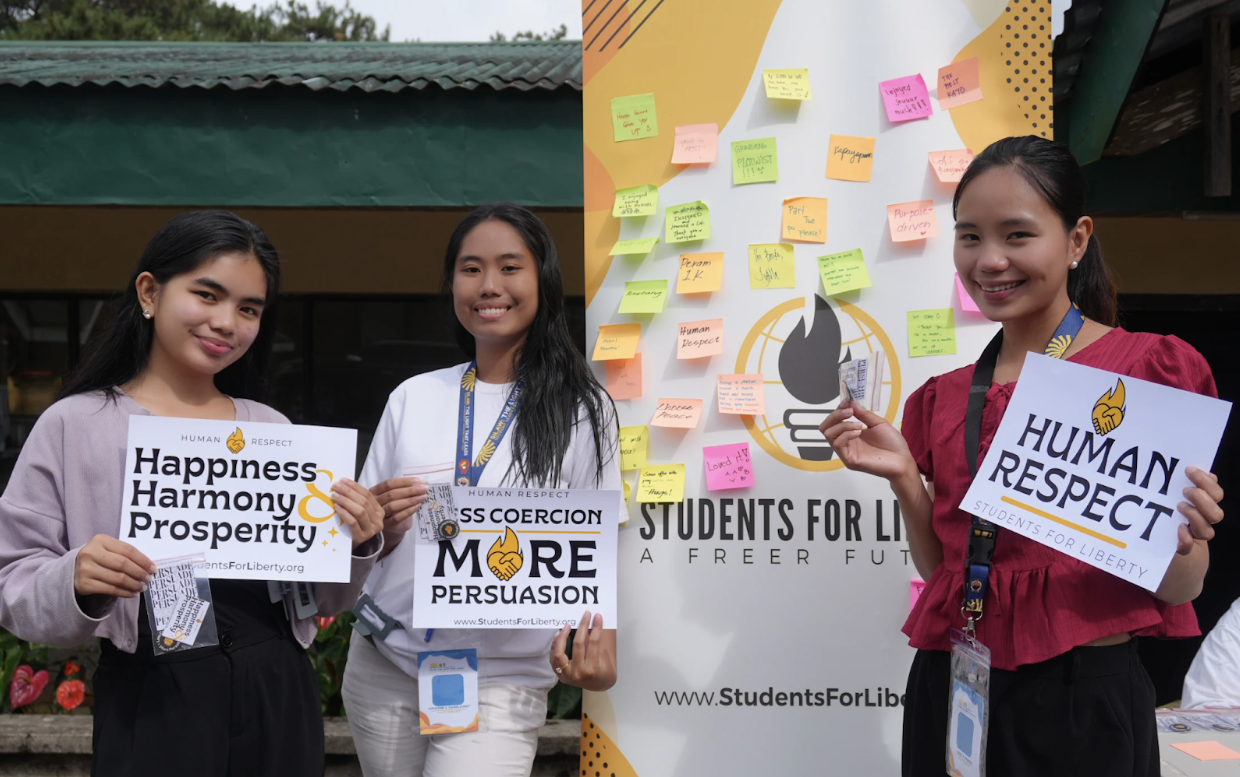
Human Respect is the foundational and universal principle that theft and violence against anyone are fundamentally wrong and harmful; both deplete happiness, harmony, and prosperity.
It is universal and should be universally applied, whether someone is of high status or belongs to the grassroots level of our society. Whatever background, culture, tradition, or belief an individual has, everyone deserves happiness and harmony.
Without human respect, rights would be violated, morale would become a myth, manners forgotten, and dignity would vanish.
When others steal what is not ours, we get frustrated, hurt, and mad. When other people force us to do something against our will, we feel unseen, unheard, and disrespected. If world leaders were to uphold human respect whenever they make decisions for their state, war might be a thing of the past. Instead, world leaders sit on their chairs and make decisions, putting at risk the lives of children, men, women, the elderly … and trillions of dollars’ worth of property.
The questions we should constantly ask are these: Are world leaders respecting people’s wishes and rights? Are they respecting us as humans?
Because, from the standpoint of the Human Respect Principle, safety, security, and respect are the strongest foundations of a free, peaceful, and healthier society. So if the answers are “no,” we should rethink whether those “leaders” deserve to be leaders at all.
This piece solely expresses the opinion of the author and not necessarily the organization as a whole. Students For Liberty is committed to facilitating a broad dialogue for liberty, representing a variety of opinions.
About the Author
Liezel Mae P. Sabado is a local coordinator and student at Benguet State University in the Philippines, where she is pursuing a Bachelor of Public Administration. After being introduced to Students For Liberty, Liezel began her libertarianism journey as a freelance advocate and organizer of pro-liberty events. Thereby, SFL became a means for her to understand deeply and advocate for the improvement of society.