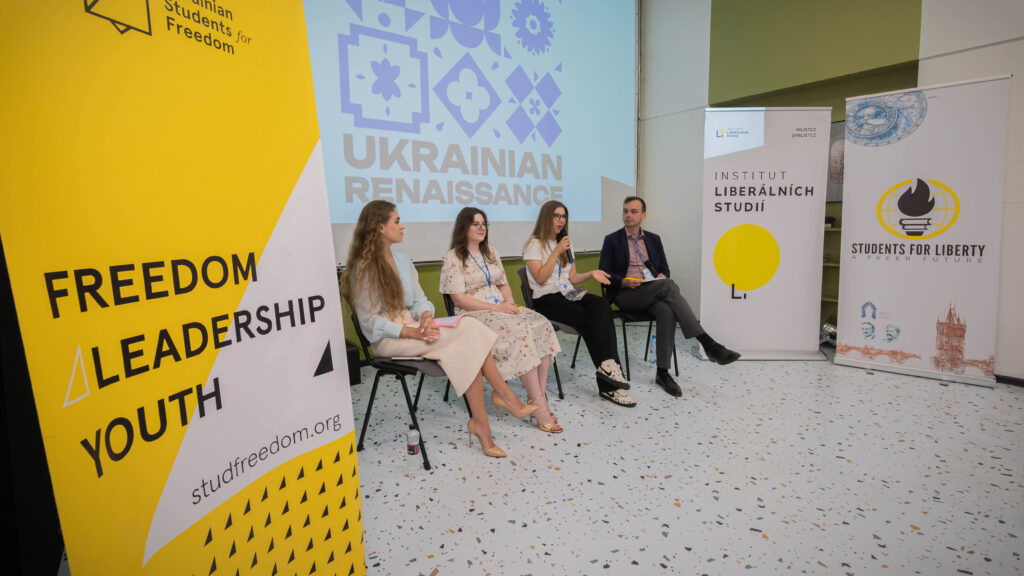
As has become tradition, the Ukrainian Renaissance conference returned again this July for its fourth annual edition. For the first time however, the event, co-hosted by Students For Liberty, Ukrainian Students for Freedom, and Institut liberálních studií, is taking place not once, but twice within one year, with the first iteration just wrapping in Kyiv, once again following a week of trainings for our student volunteers.
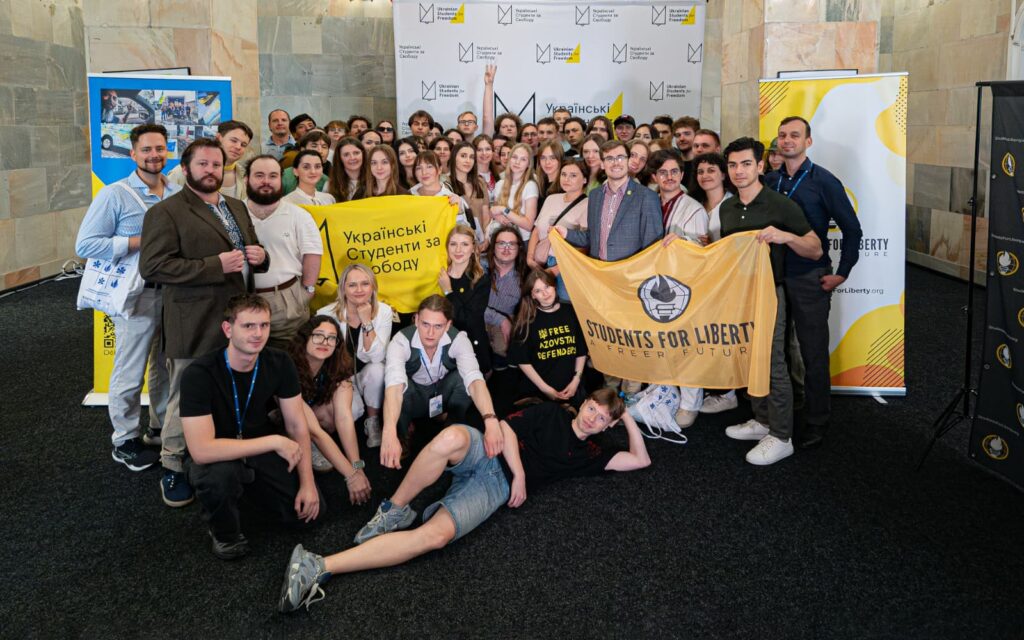
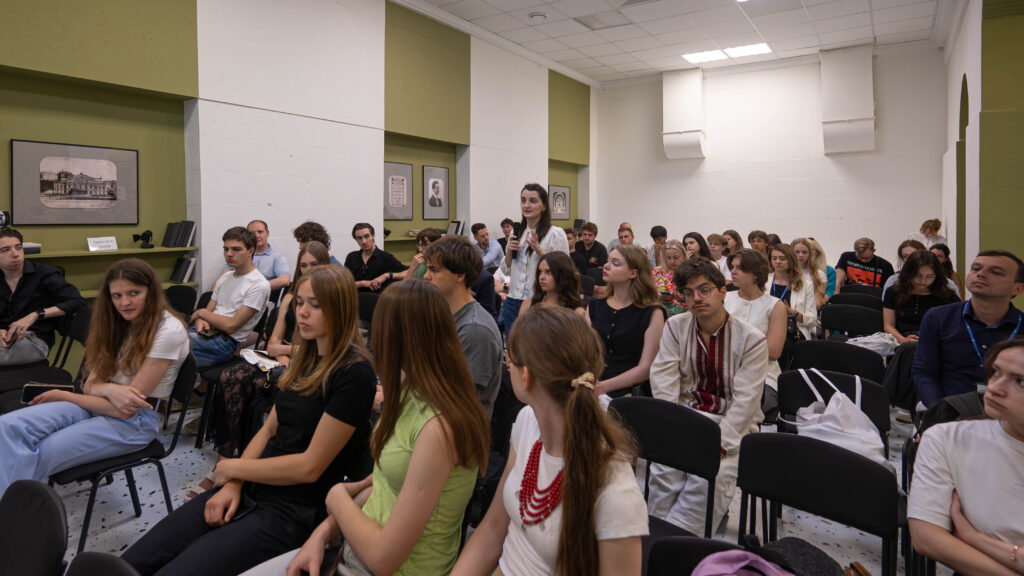
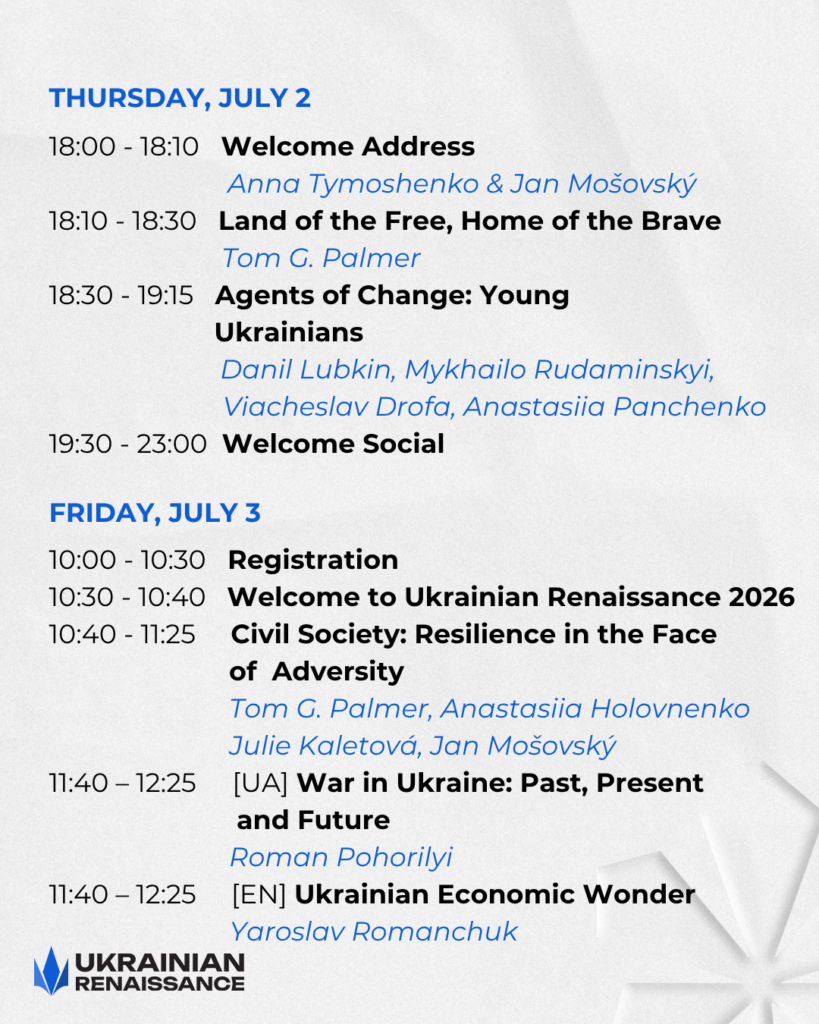
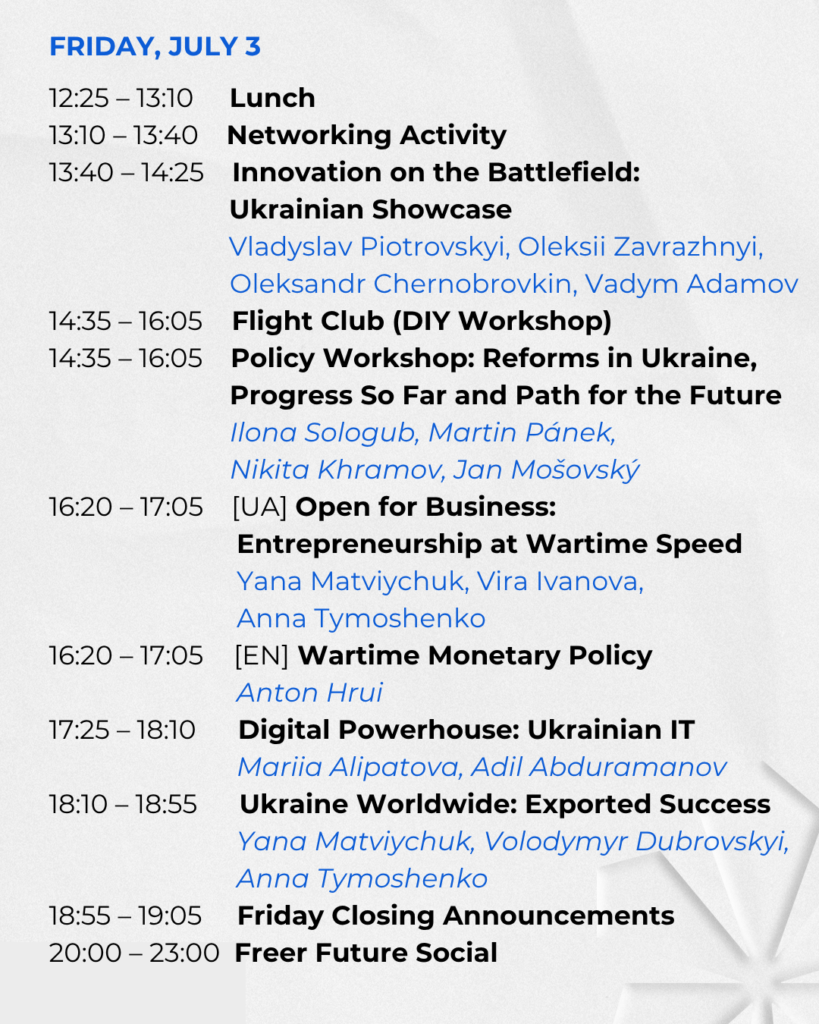
The first edition of the event taking place in the Ukrainian capital on July 2-4 brought together 154 attendees from 13 different countries.
Over the three days, our visitors participated in 16 sessions, two practical workshops, and a range of networking opportunities, including the concluding Independence Day Social on July 4.
The event’s primary mission remains to connect local and international friends of liberty, and build bridges where wartime conditions have made connections more complicated. It was with the goal of bringing this network-building element of the event beyond western Ukraine that we brought this year’s Renaissance to Kyiv, and we are excited that same as in previous years, around one third of the attendees joined us from outside of Ukraine.
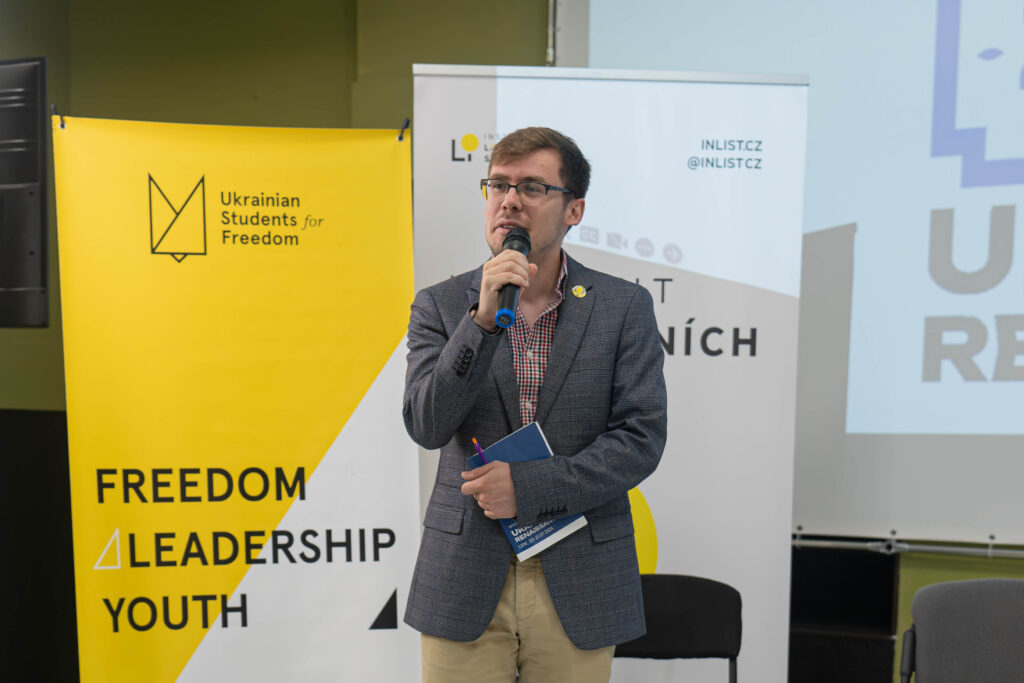
The event kicked off on Thursday, July 2, with an opening evening and welcome by the organisers, as well as a keynote session by Tom Palmer on the important symbolism of the meeting in Kyiv on the Independence Day weekend, and a panel conversation on the ability of young people to make a difference with a panel of Ukrainian Forbes 30 under 30 – including our alumnus Danil Lubkin, followed by an opening night social event.
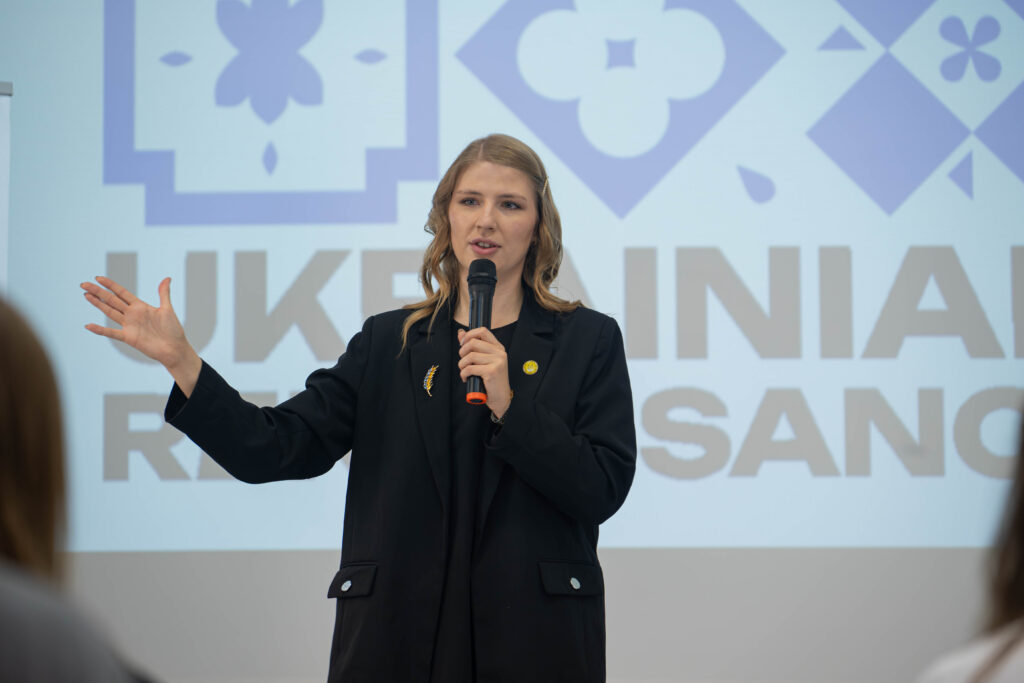
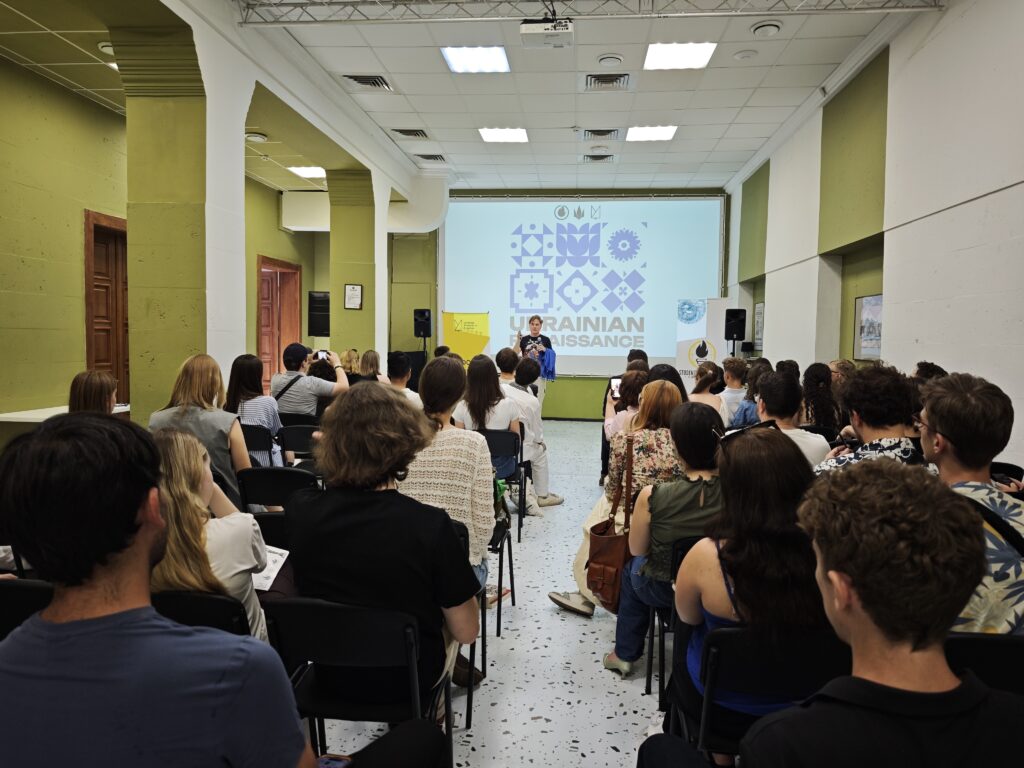
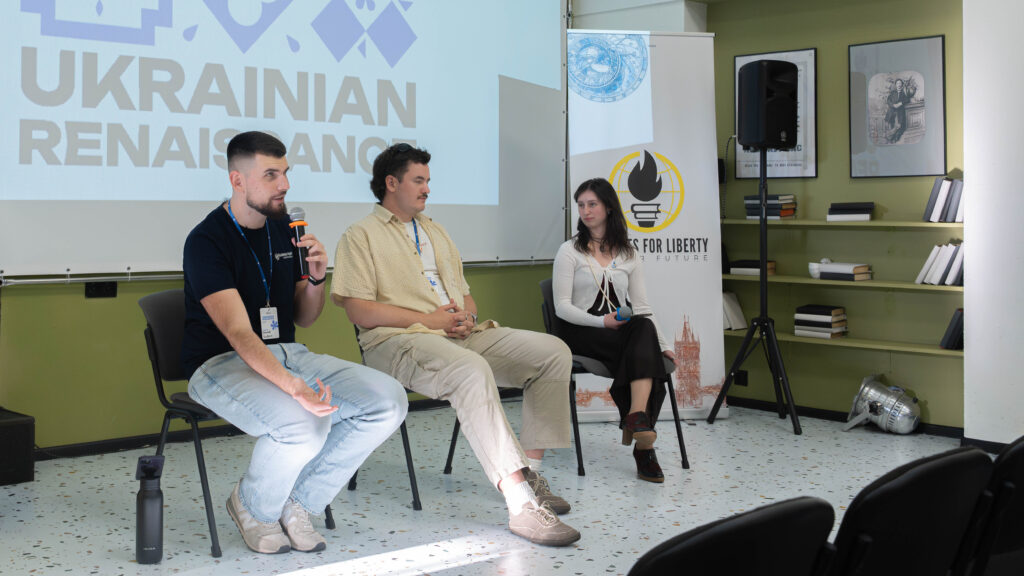
On Friday, we started the day by an international panel on the importance of the civil society, and how times of hardship lead people to mobilise, form organisations, and take action in many private, decentralised ways – and why that’s why authoritarians target the civil society first.
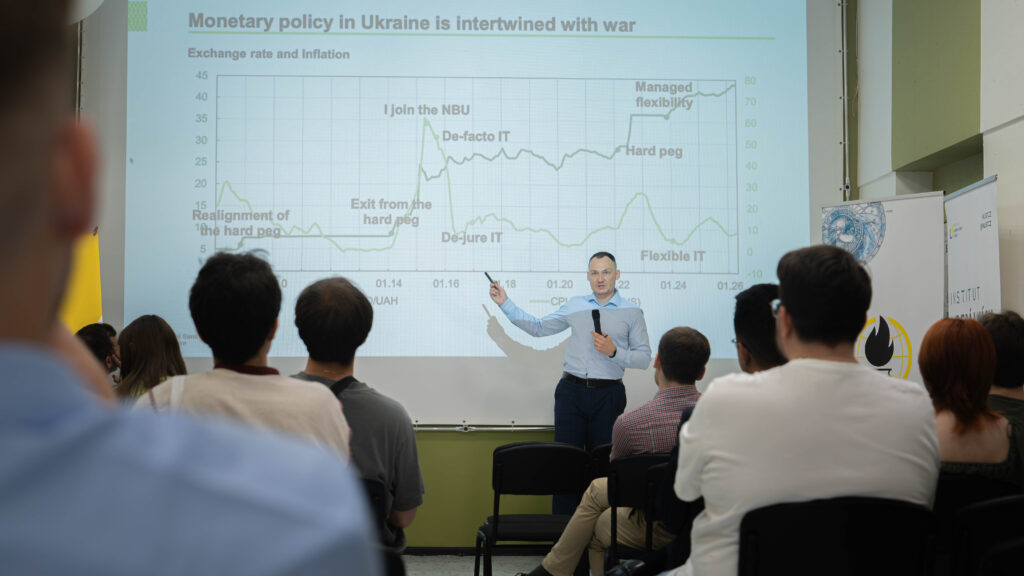
For most of the day, we covered economic issues and entrepreneurship, and the innovation that keeps happening despite the war, with sessions going on in two rooms, both in English and in Ukrainian. Among the speakers were successful entrepreneurs, economists, central bankers, and policymakers.
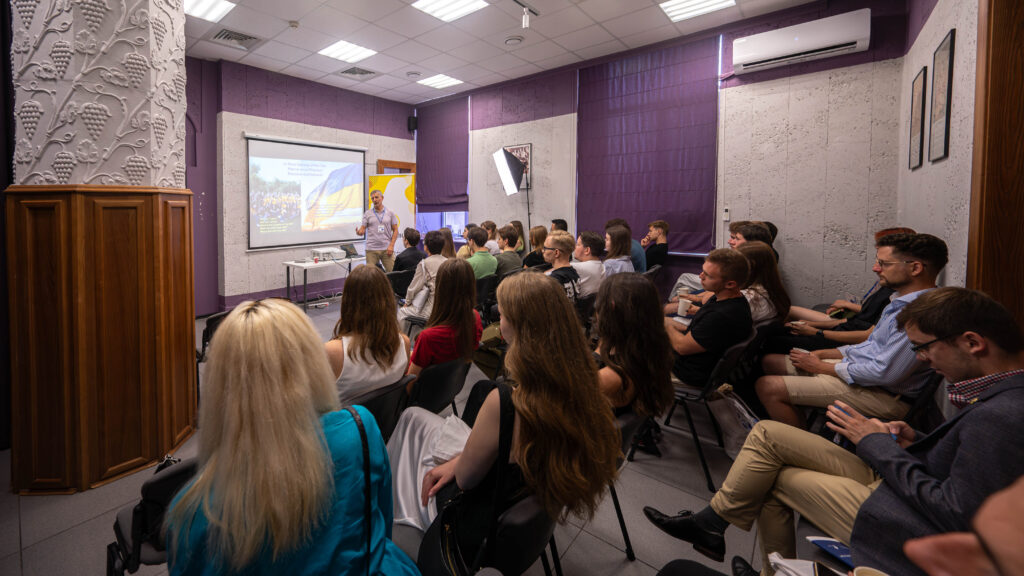
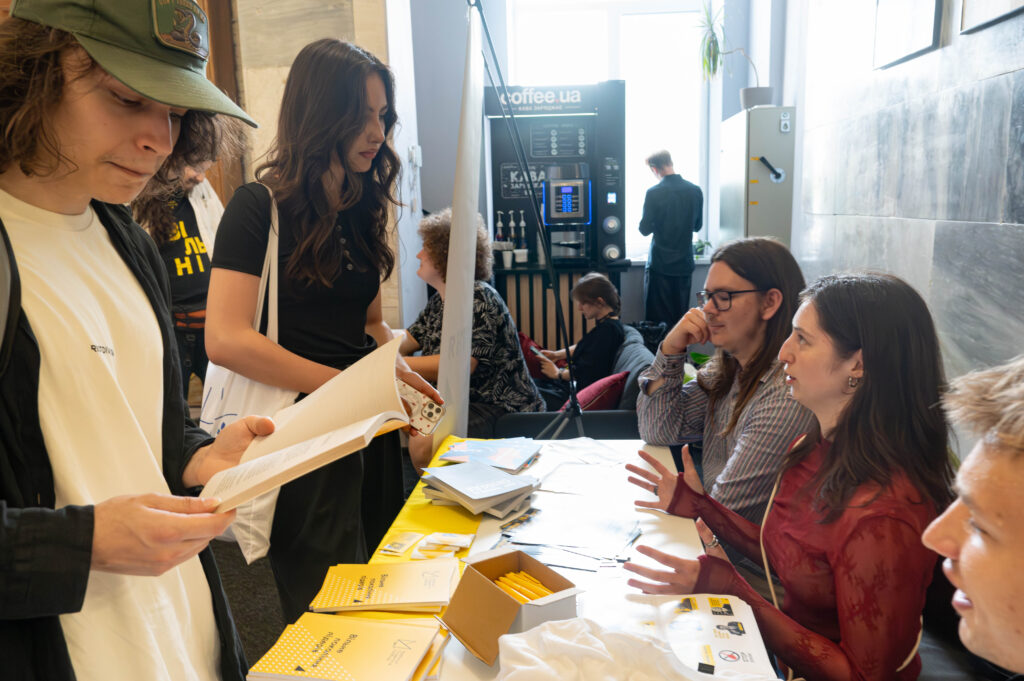
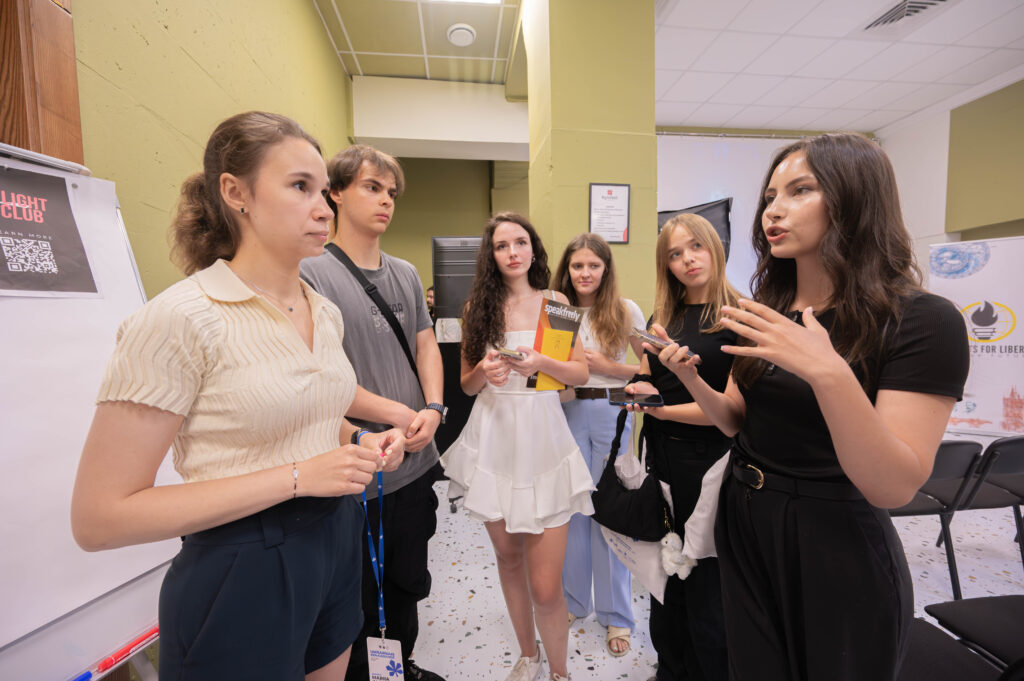
A highlight of the Friday programming were two parallel practical workshops. In a policy workshop run by Institut liberálních studií, Bendukidze Center, and Vox Ukraine, attendees worked in groups to come up with reforms to improve life in Ukraine and the country’s economic prospects.
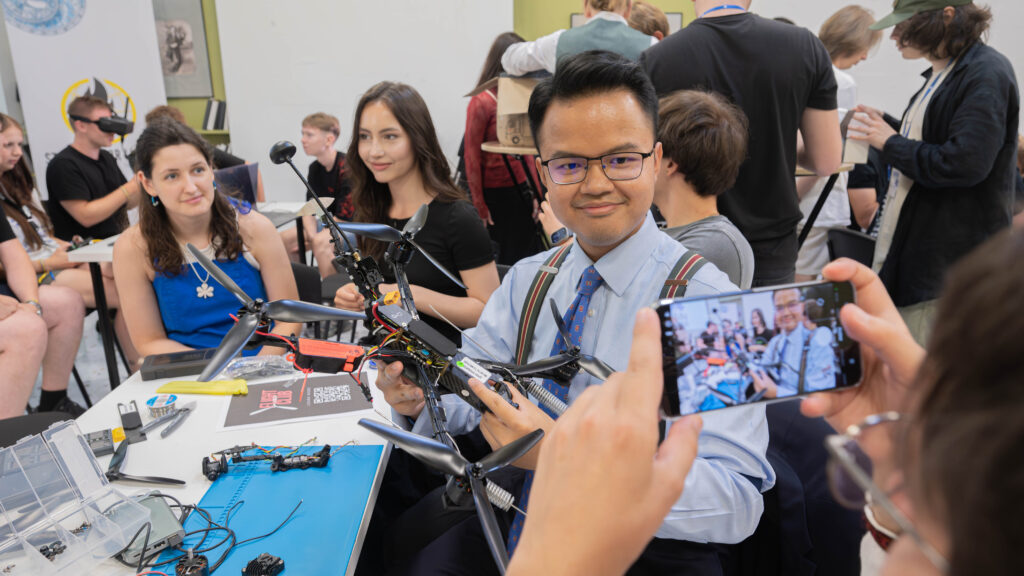
At the same time, in what might have been the most popular session of the day, Flight Club hosted a workshop where attendees learned about what it takes to build and operate drones.
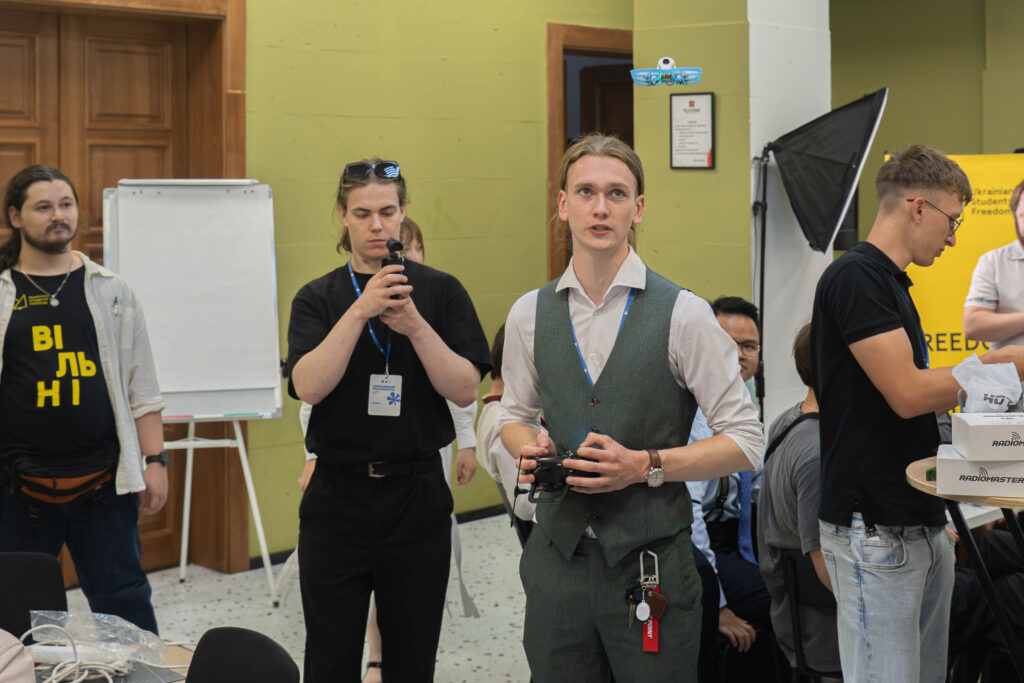
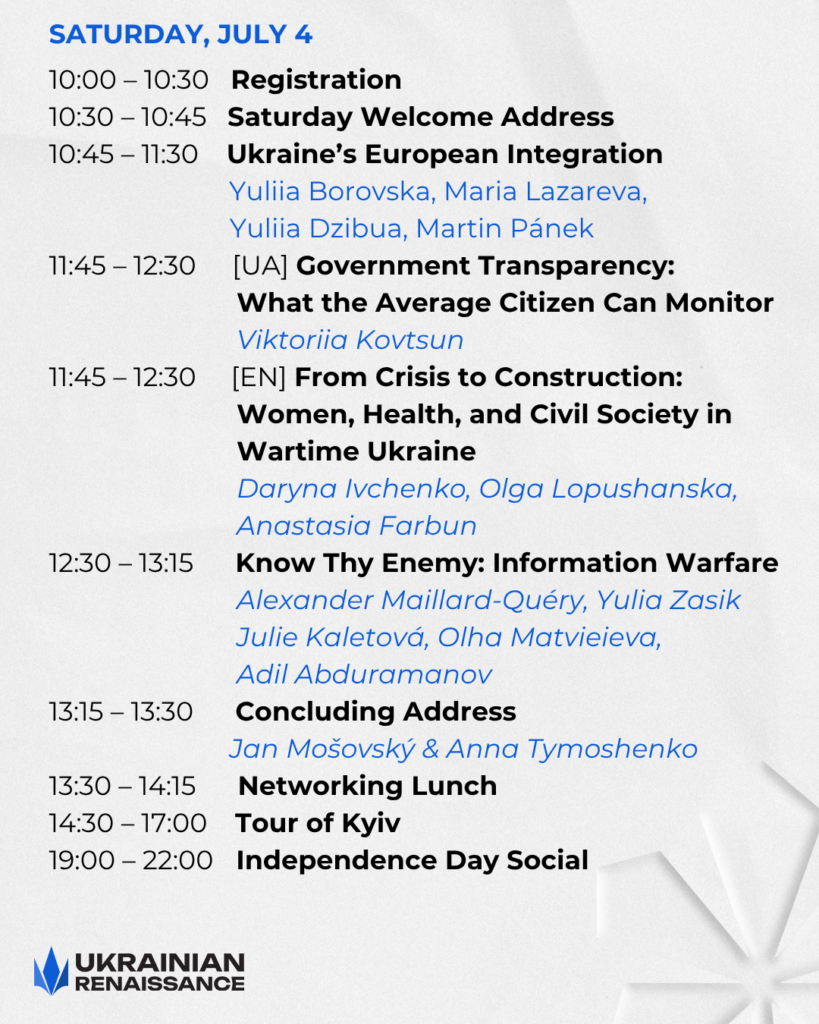
On July 4, the final day of the event, we focused on a range of international issues.
We discussed Ukraine’s European integration, as well as the importance of independent media and the challenge of Russian disinformation. In parallel sessions, spoke about government transparency, and what tools citizens have to monitor government spending and getting involved in calling out corruption, as well as about mental health, trauma caused by the invasion, and how we can address it.
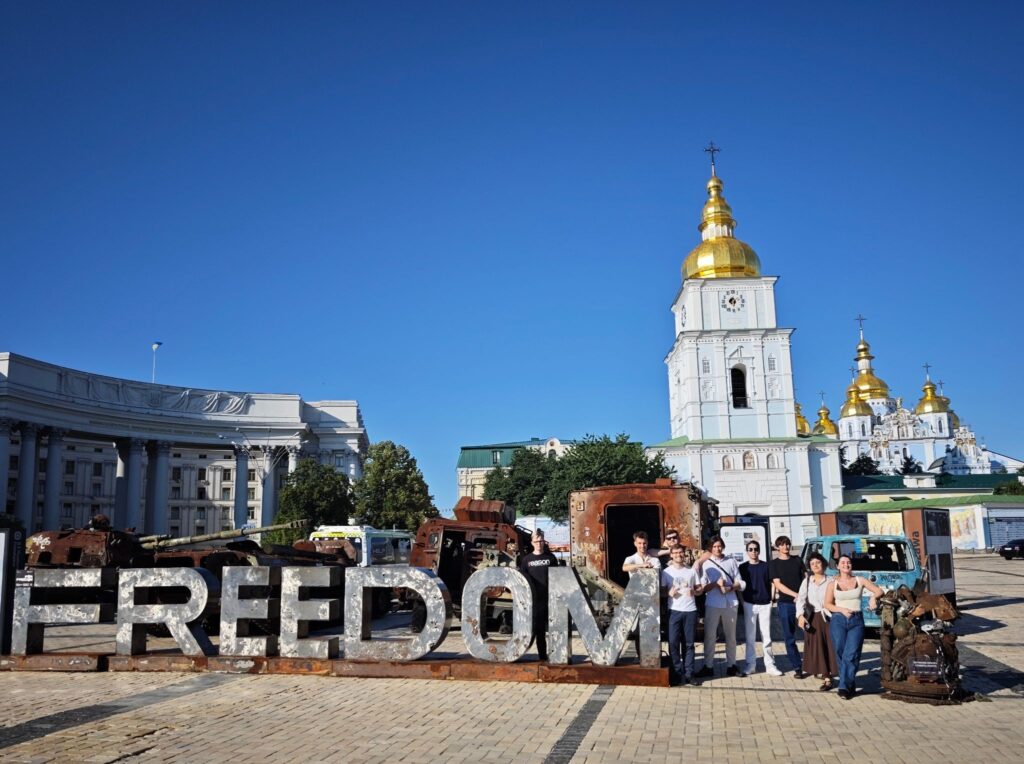
The conference programming concluded with a guided walking tour of Kyiv by Ukrainian Students For Freedom volunteers, and an evening Independence Day Social, which included a liberty-themed pub quiz and charitable auction.
Where else to learn about making a real difference for a freer future than in Kyiv – and that’s exactly what our volunteers did the week prior to the event!
From June 29 to July 2, a select group of our volunteers participated in the first four-day European Impact Lab training. They learnt about identifying real problems and how to go about effectively addressing them, how to plan practical steps leading to the desired outcomes, and other useful skills, like project and team management, using events or AI tools for activism, planning campaigns, and much more.
Just as with Ukrainian Renaissance, Impact Lab too sought to build networks. During the training, the attendees met with media representatives, advocacy experts, and other friends of liberty in Kyiv to make connections and learn directly from them.
The projects that our students developed as part of the training varied widely in their focus, but not in their ambition.
They include a British policy campaign against the proposed digital ID and the privacy infringements it enables, or an educational platform providing simple access to resources on economic education to high school students in the Czech Republic.
Other projects were a Ukrainian platform on combating misinformation and preserving living documentation of the ongoing invasion with a focus on the national media environment, or a large-scale outreach and expansion campaign in Romania, educational programmes in Georgia, and a Europe-wide campaign against reimplementation of conscription policies.
You will be seeing these projects launching soon!

During the week of the event, around 140 missiles and 700 drones were sent by Russia in the direction of Kyiv in two large-scale combined strikes.
Yet this has not deterred our volunteers and participants of both Impact Lab and Ukrainian Renaissance from convening together, making connections, learning from each other, and making plans for a freer, more prosperous future.
If anything, it showed that even under the greatest challenge, the international pro-liberty community will find the courage and dedication to rise to the occasion – as Ukrainians have for over the past decade.
One of the international student participants travelled abroad for the first time to attend the event. This is what he wrote about the experience after returning home:
“They say courage is tested in the hardest moments. If that’s true, then Kyiv is full of the bravest people I have ever met.
I saw a city that refuses to surrender its identity. A city where sirens may interrupt the day, but they do not define it. People continue to work, study, laugh, dream, and welcome strangers with remarkable kindness.
I leave Ukraine with profound respect for its people. Their courage and determination deserve to be recognized far beyond their borders.
Some places leave you with memories. Others leave you with lessons.
Kyiv did both.”
Ukrainian Renaissance is coming back still in 2026. You can become part of it on November 6-8 in Chernivtsi, the city of Joseph Schumpeter.